
DIY Fabric Wall Decor: 12 Projects That Turn Plain Walls Into Statement Pieces
DIY fabric wall decor is a simple, affordable way to add pattern, color, and texture to your walls without the commitment of paint or wallpaper. But the trick lies in choosing the right fabric, mounting method, and scale for your room. Missing these details can cause your project to look unfinished, cramped, or cheap.
You will get clear, actionable tips on fabric choices, mounting techniques, placement, and maintenance that work in real homes, whether you live in a downtown apartment or a suburban townhouse.
The Practical Choice: How to Pick Fabric That Works on Walls
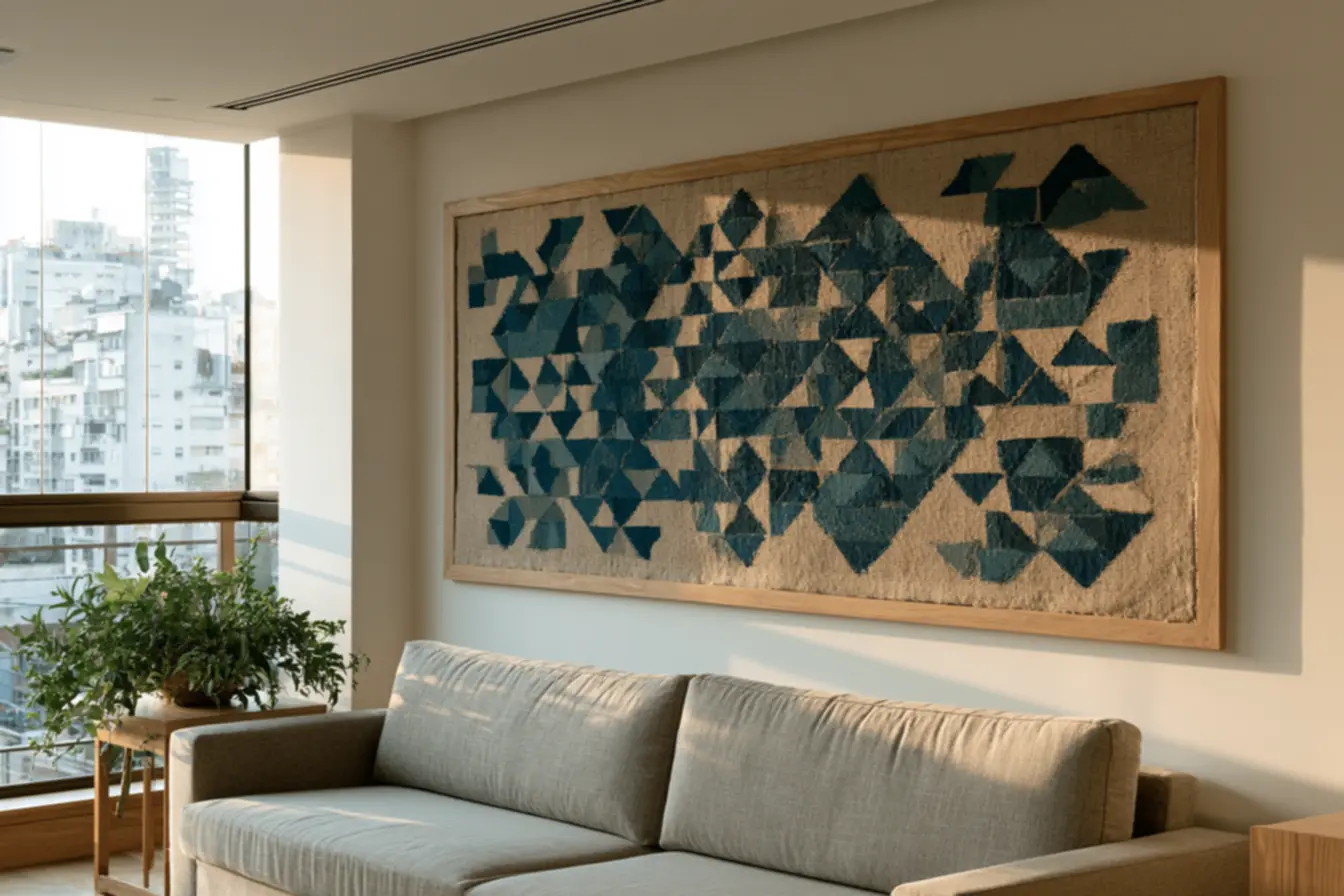
Choosing fabric for wall decor is more than just picking a pretty pattern. The material’s weight, texture, and pattern scale impact both installation ease and the visual effect. Professionals favor medium-weight fabrics like cotton duck, linen blends, or upholstery-grade textiles because they hold shape well when stretched and resist sagging. It is best to avoid flimsy fabrics such as chiffon or sheer voile unless layering over a solid backing.
Example: A 100% cotton canvas or denim in a matte finish works well stretched over a wooden frame in living areas because it lasts and reflects soft, natural light without glossy glare.
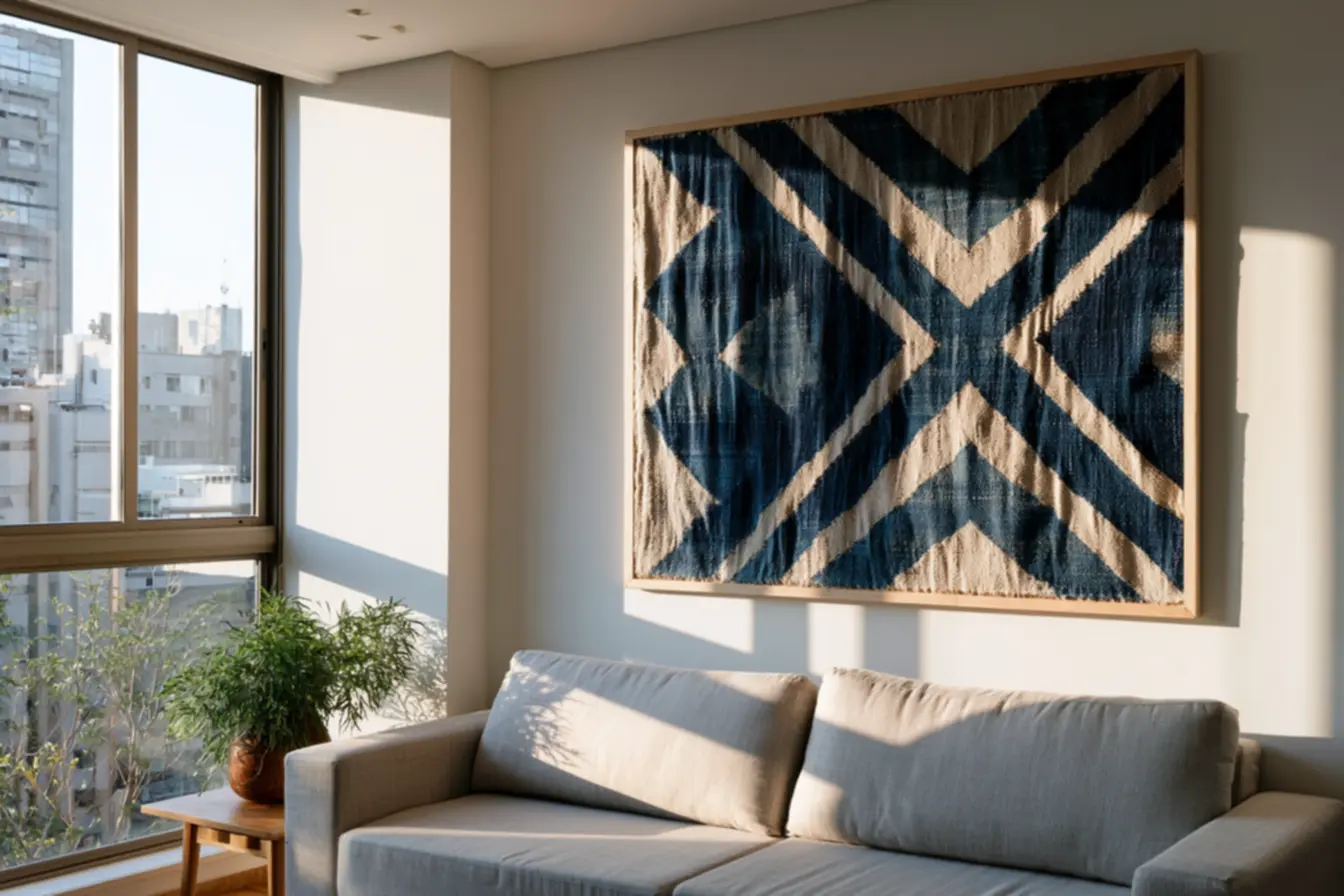
Patterns should match the room’s size and use. Large florals or geometrics may overwhelm small bedrooms or hallways, but they work wonderfully on a feature wall in spacious living rooms. You can repeat the pattern scale to balance existing upholstery or curtains or select subtle textures like slubbed linen to add softness without competing visually.
Tip: Always bring a fabric sample to the room and observe it under different lighting conditions before purchasing yardage. Colors can shift dramatically between morning sunlight and evening artificial light, especially bold hues like reds or blues.
Mounting Fabric on Walls: Why Your Method Makes All the Difference
Hanging fabric can be done using staples, frames, rods, or adhesive, but each method impacts the appearance and durability of your fabric wall decor significantly.
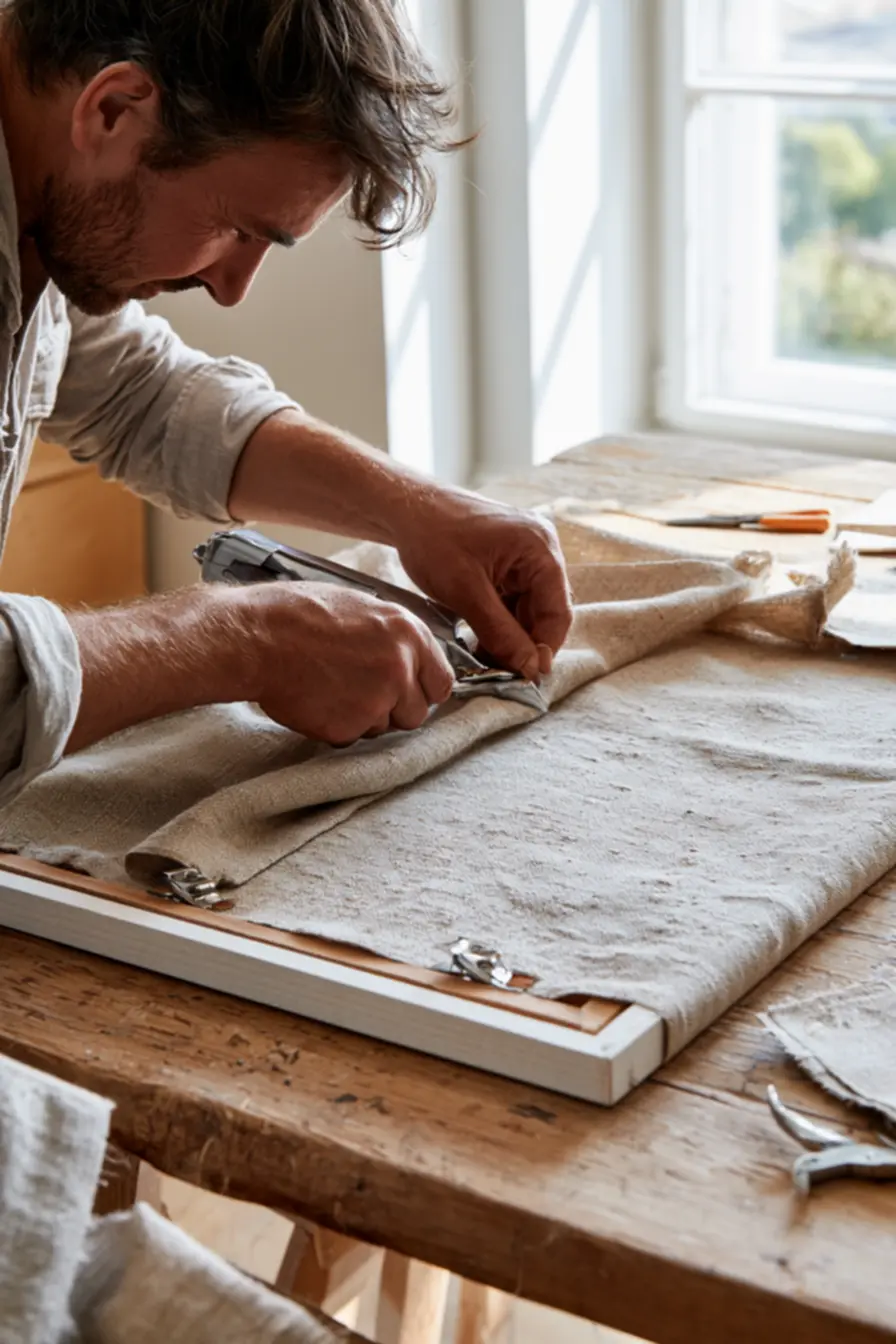
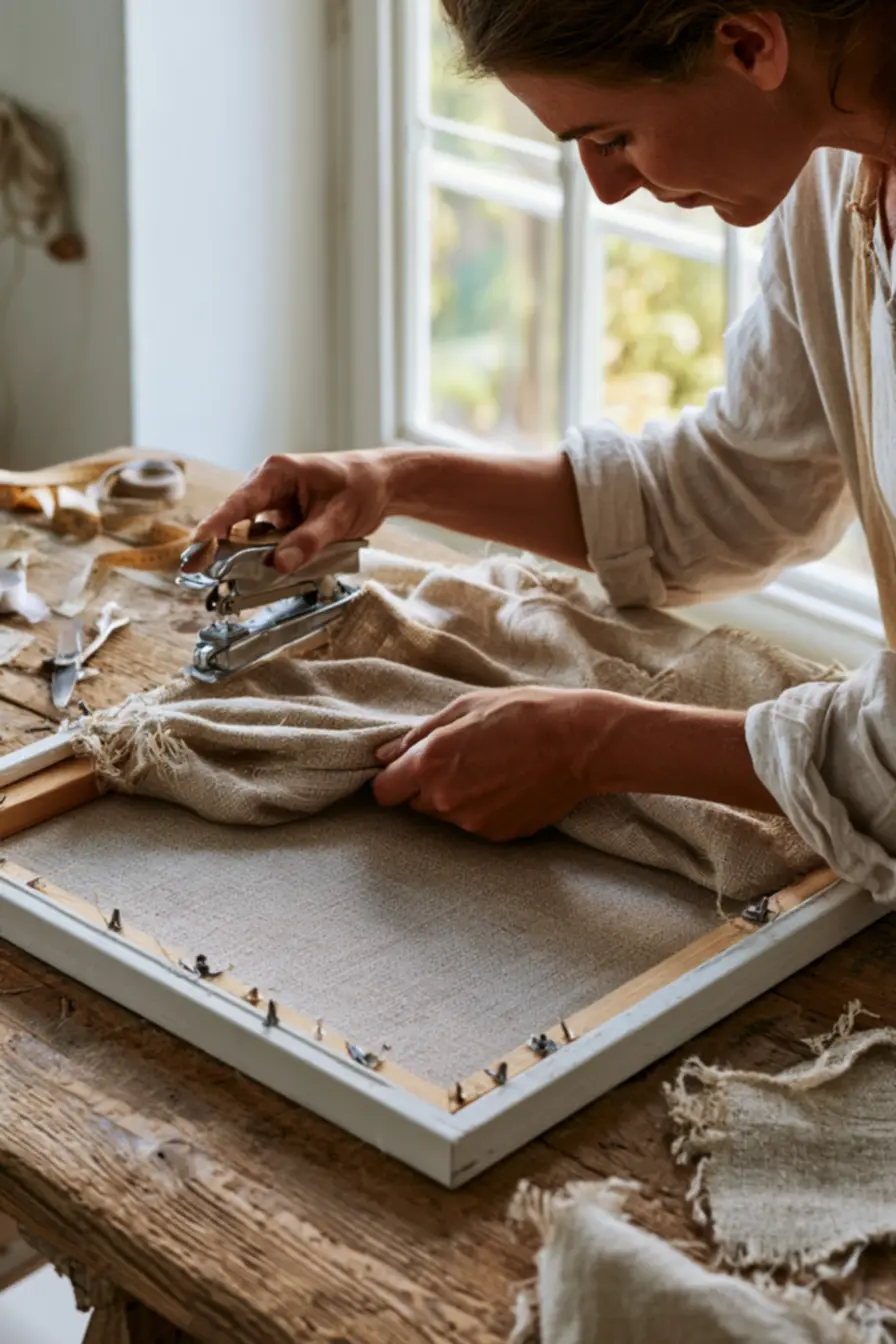
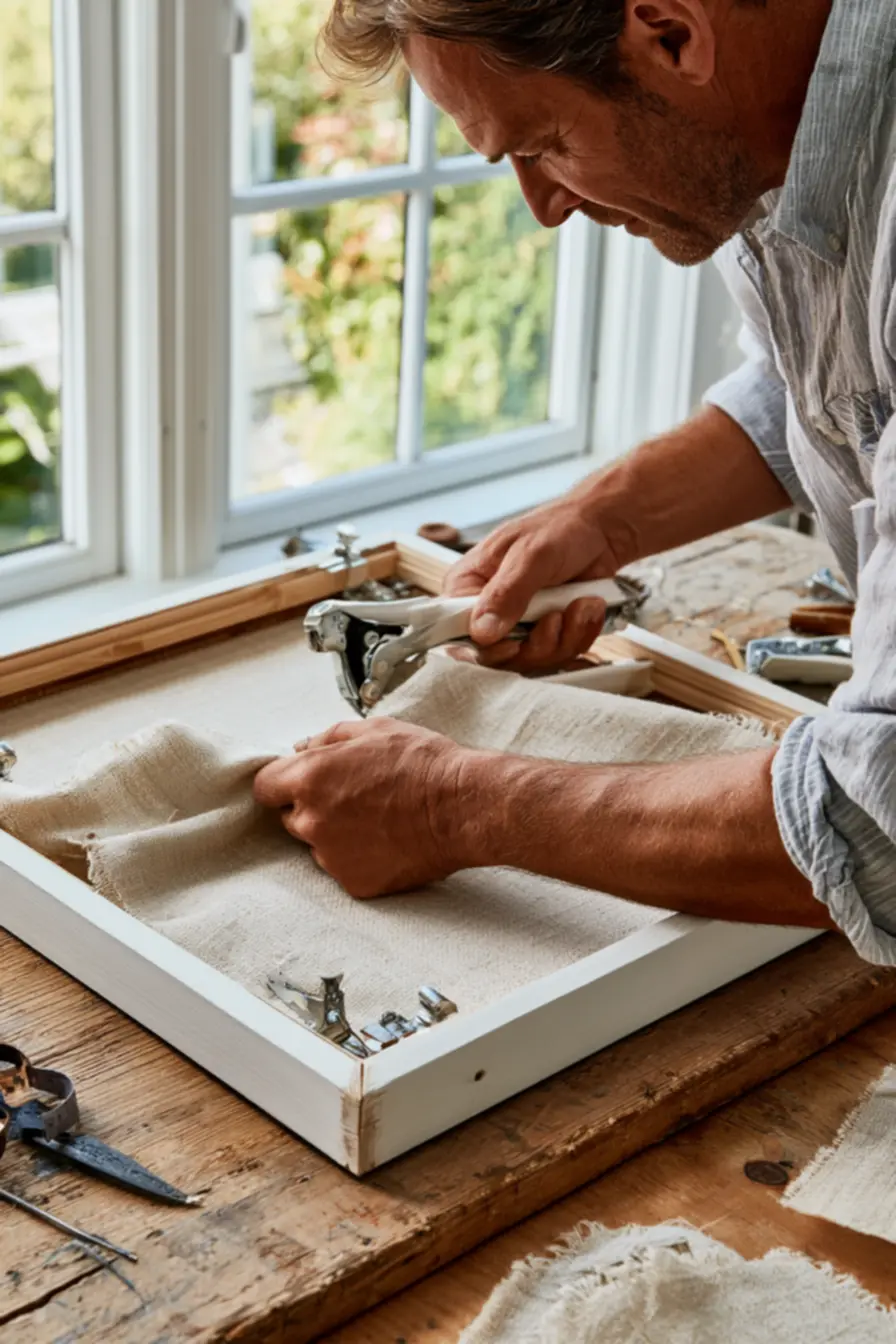
- Stretching over a frame: This technique creates a clean, taut surface resembling traditional artwork. Use a wooden stretcher frame sized just a few inches smaller than your fabric’s width to pull the material tight without distortion. Staples should be placed on the back or inner frame edge to remain hidden.
- Using fabric panels or tapestries: Sewing a simple rod pocket allows hanging without visible fasteners. This suits lightweight fabrics but can look casual, so it is not recommended for formal or minimalist rooms.
- Adhesive methods: Double-sided fabric tape or spray adhesives can attach fabric directly to walls. However, they often wrinkle or peel, especially in humid rooms like bathrooms or kitchens. Avoid this for long-term installations or textured wall surfaces.
Choosing the right mounting method depends on your wall’s material, the fabric type, and how permanent you want the installation to be. Renters often prefer options that leave no marks, such as removable hooks or tension rods, which can be better alternatives to staples.
Scale and Placement: Mistakes That Make a Small Room Feel Even Smaller
One of the most overlooked details in DIY fabric wall decor is scale. Oversized fabric panels mounted without enough space around them can overwhelm a small bedroom or narrow hallway, making ceilings feel lower and walls seem closer.
The general guideline is to leave at least 6 inches (15 cm) of bare wall on each side of the fabric panel, visually framing it and allowing wall color to breathe. For walls under 8 feet (2.4 m) wide, panels should be no wider than about 48 inches (122 cm) for proper proportion.
Example: In a 10-foot by 10-foot (3 m by 3 m) bedroom, a 36-inch by 48-inch (91 by 122 cm) stretched fabric piece over the headboard adds interest without stealing all the focus. Avoid a 60-inch wide piece that leaves no margin; it crowds the bed and dominates the wall.
Also consider eye-level placement carefully. Hanging fabric 54 to 60 inches (137 to 152 cm) from floor to center accommodates average sightlines and keeps the panel in natural view, especially above seating areas or sofas.
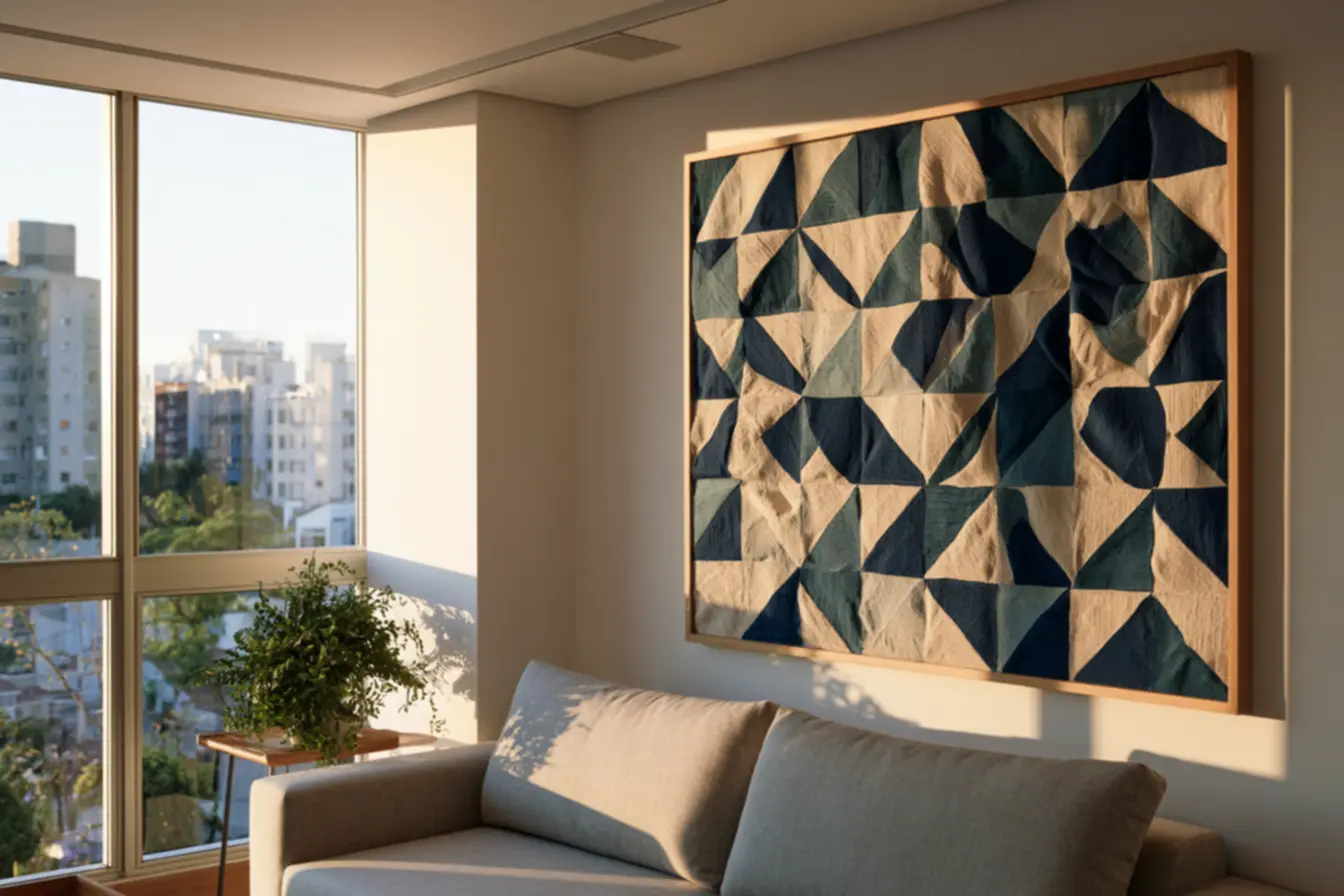
Fabric Types to Avoid: When Pretty Looks Poorly Executed
Some fabrics may look promising initially but reveal major flaws for wall decor use.
- Velvet and silk: These luxurious fabrics tend to fade quickly in sunlit rooms and attract dust easily. Velvet’s pile also complicates even stretching without puckering.
- Sheer fabrics: Unless layered over a heavy backing, they usually sag and wrinkle, failing to hold a sleek shape.
- Heavy wool blends: While warm in texture, thick wool blends are bulky to stretch and install, often requiring professional framing.
- High-stretch knit fabrics: Stretchy jerseys and spandex blends warp during mounting and appear uneven over time.
Select durable, low-shrinkage fabrics to help prevent warping or puckering caused by humidity and temperature fluctuations.
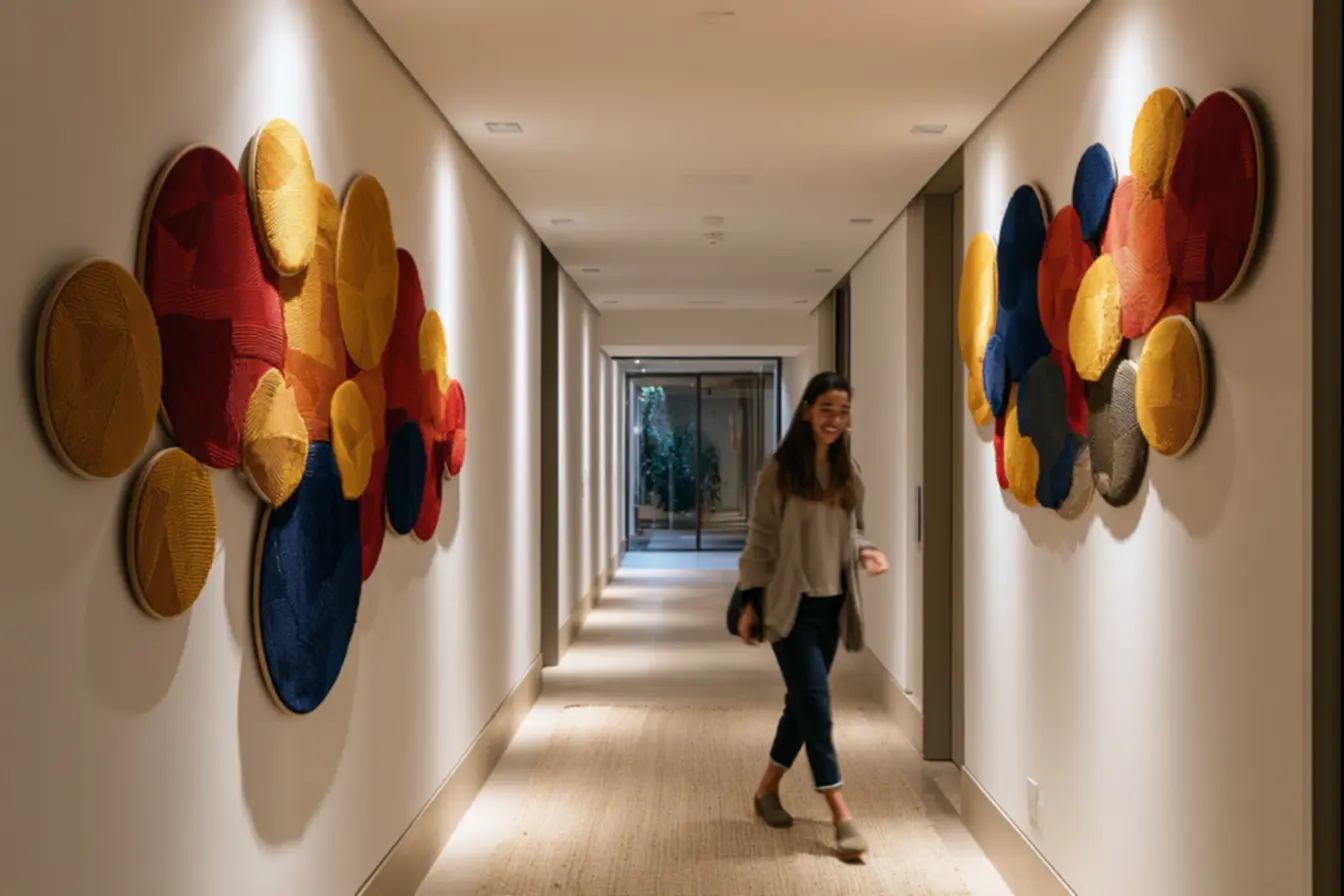
Best Rooms for DIY Fabric Wall Decor: Matching Function with Style
Fabric panels shine in rooms where their softness and sound-dampening qualities excel. Popular spaces include:
- Living rooms: Use medium-weight cotton or linen panels over sofas or bookcases to frame seating areas and reduce echo.
- Bedrooms: Frame accent walls or headboards with subtle textured fabric to add warmth without bulk.
- Home offices: Large fabric panels placed behind desks provide a less distracting background than printed wallpaper while adding refined color.
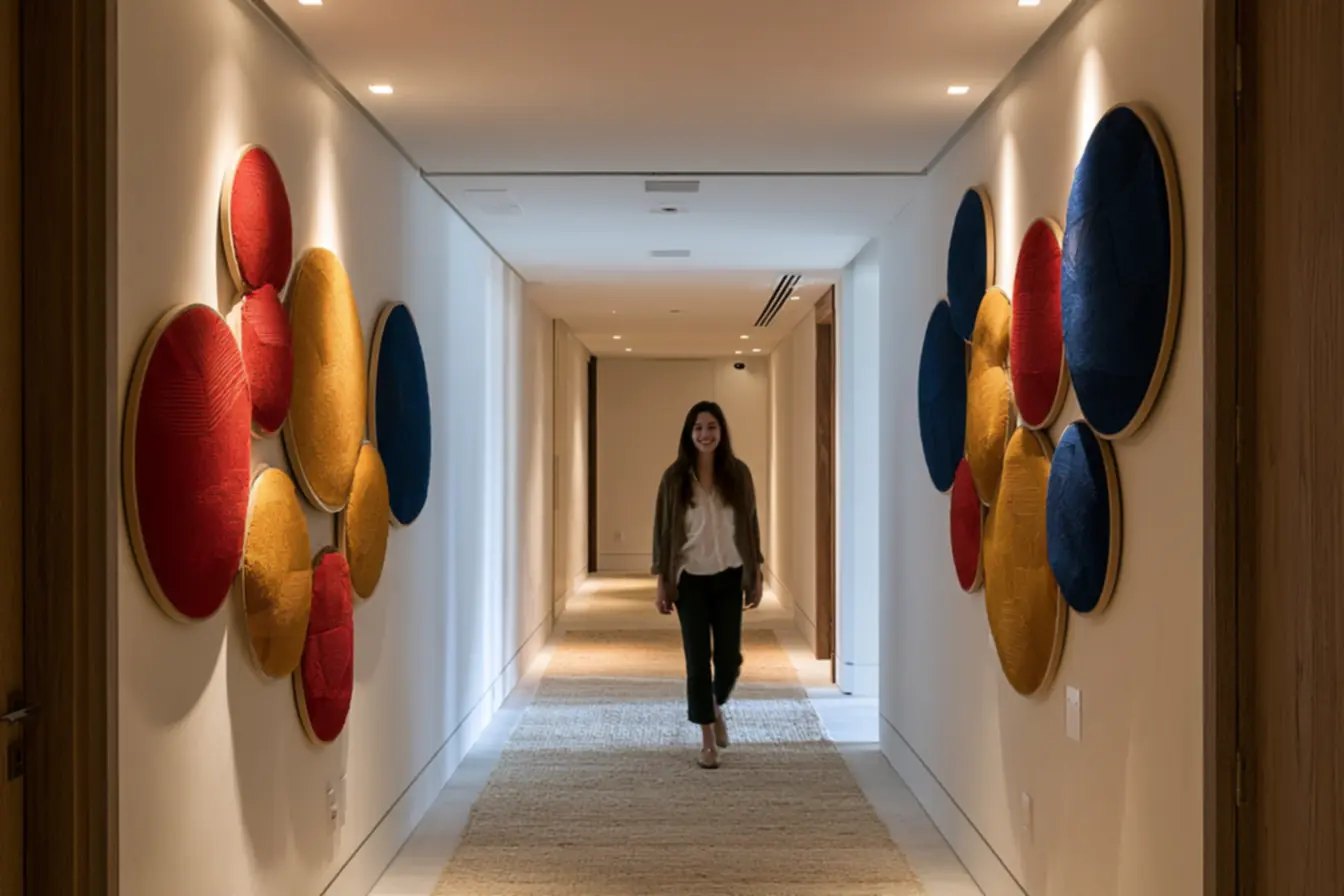
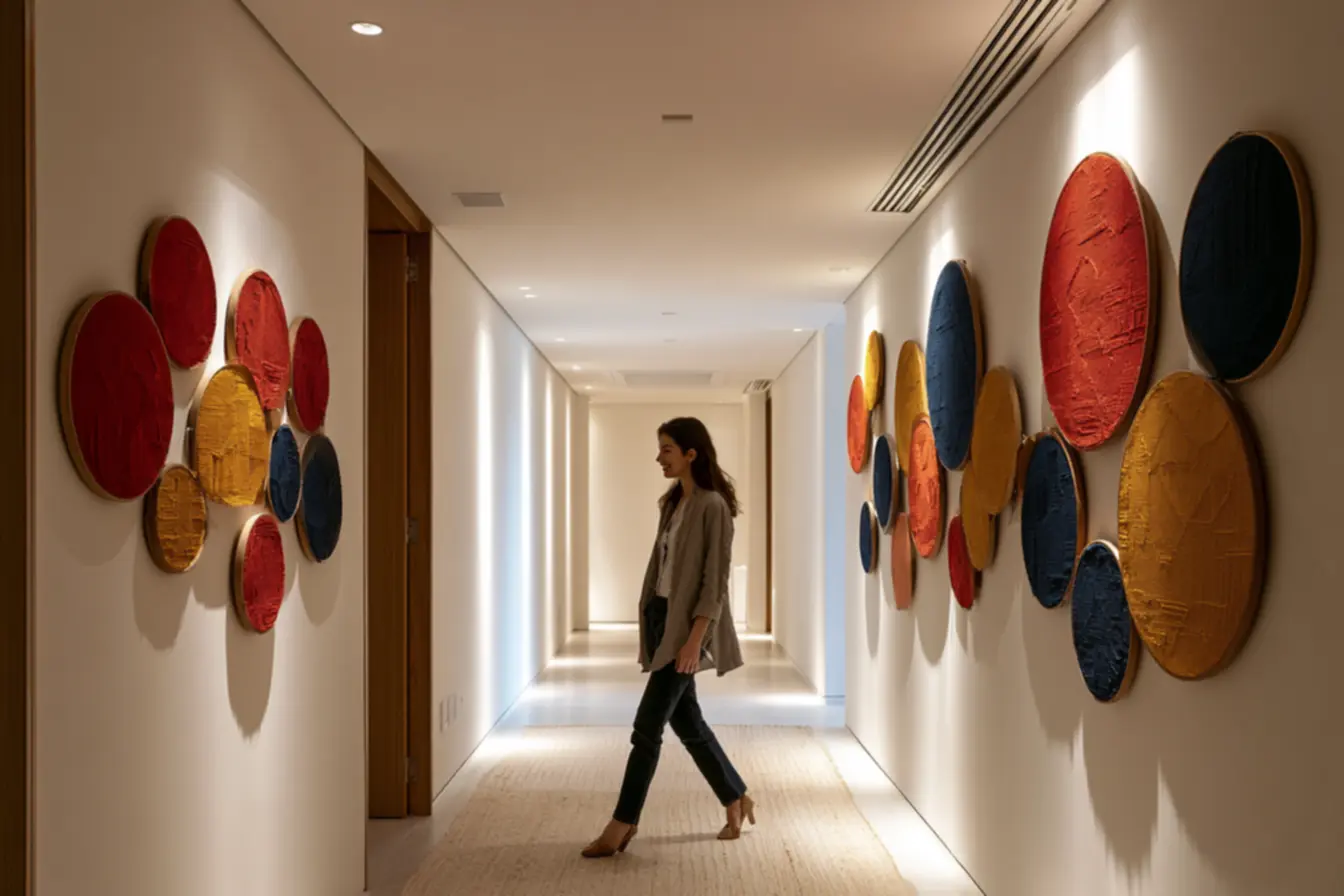
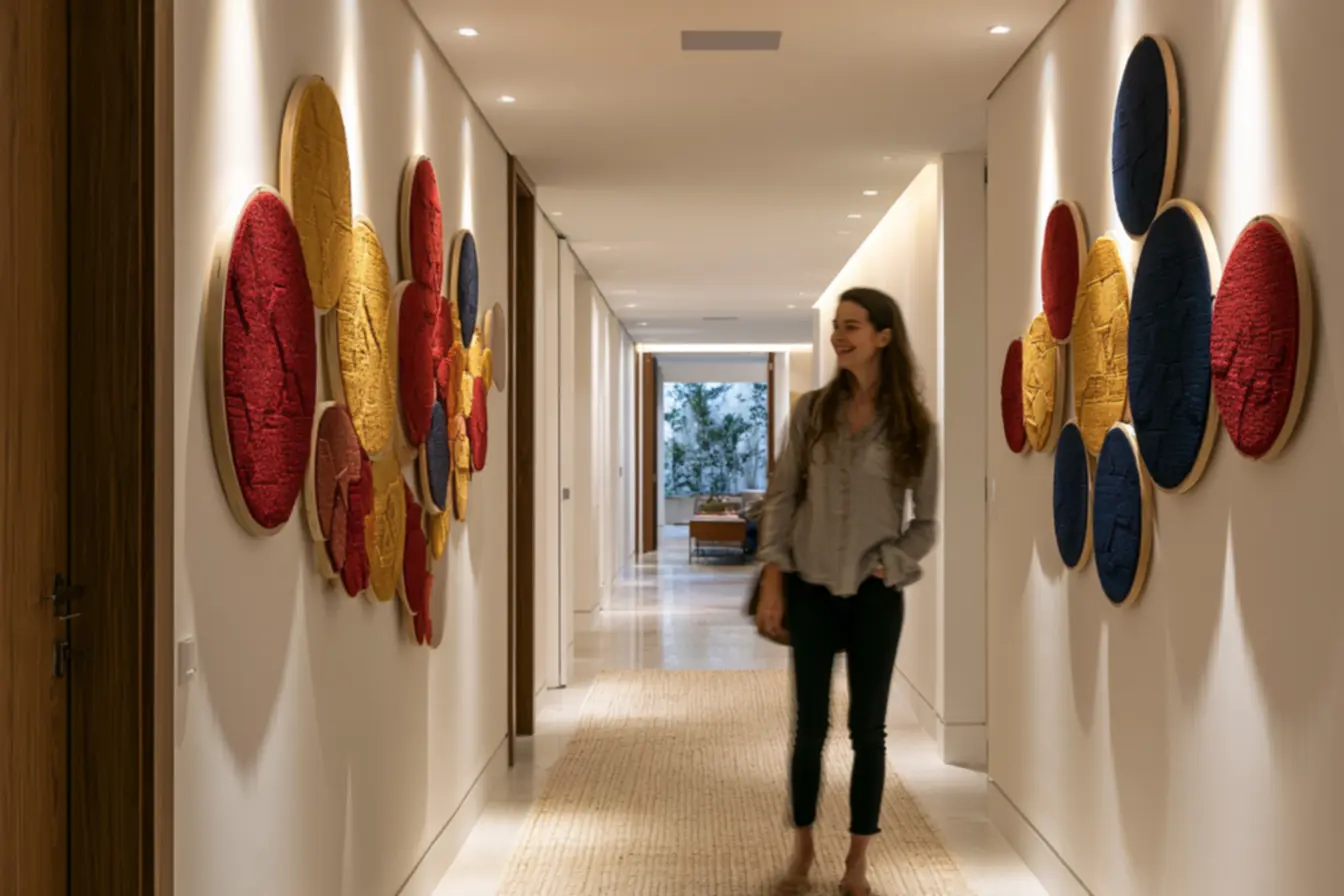
- Hallways and entryways: Narrow fabric banners or embroidery hoops with patterns create visual interest on long blank walls without heavy commitment.
For kitchens and bathrooms, it is best to avoid placing fabric directly on walls where humidity and grease accumulate. Instead, opt for fabric accents on framed boards positioned away from heat and steam.
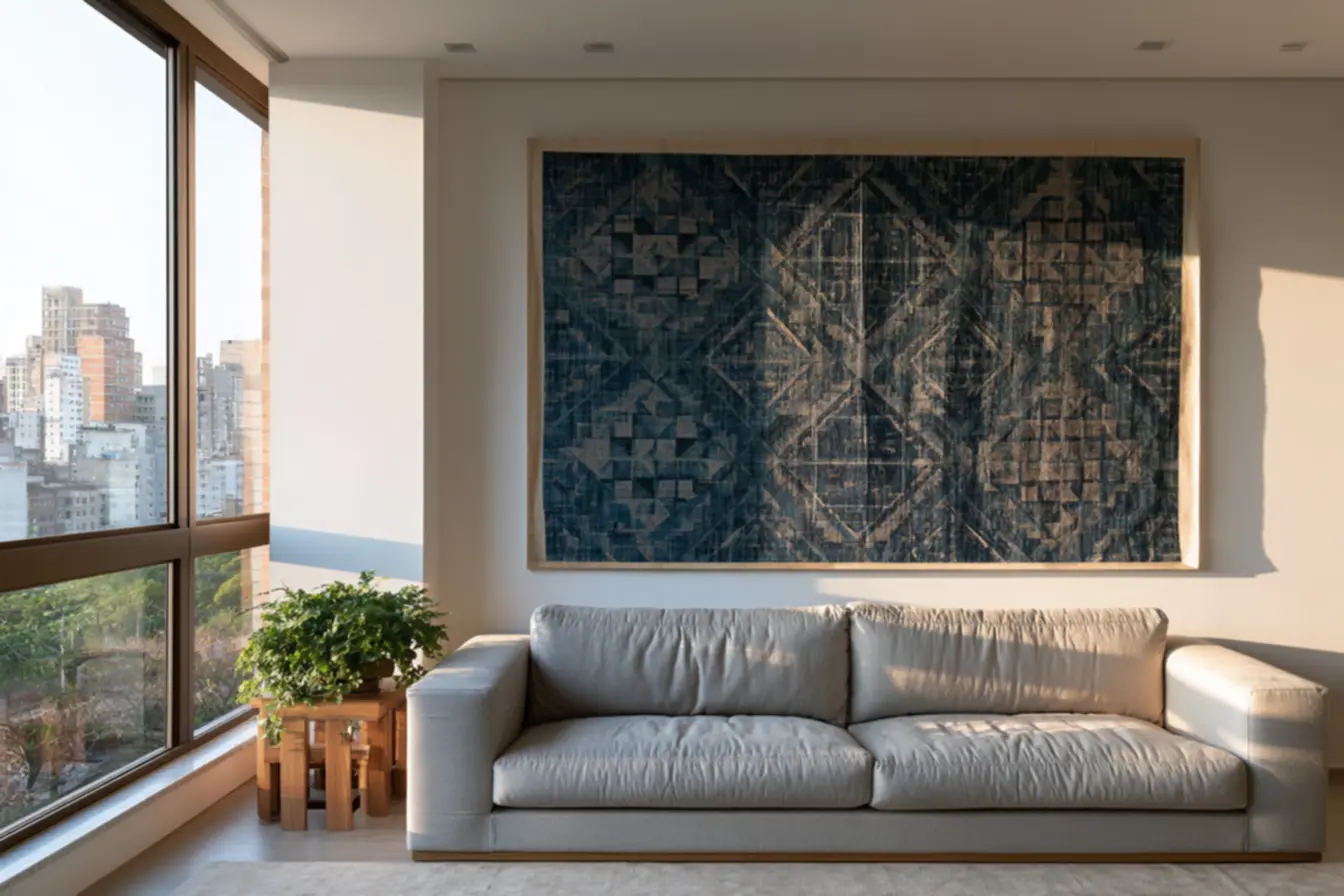
How to Stretch Fabric Over Frames Without Wrinkles or Sagging
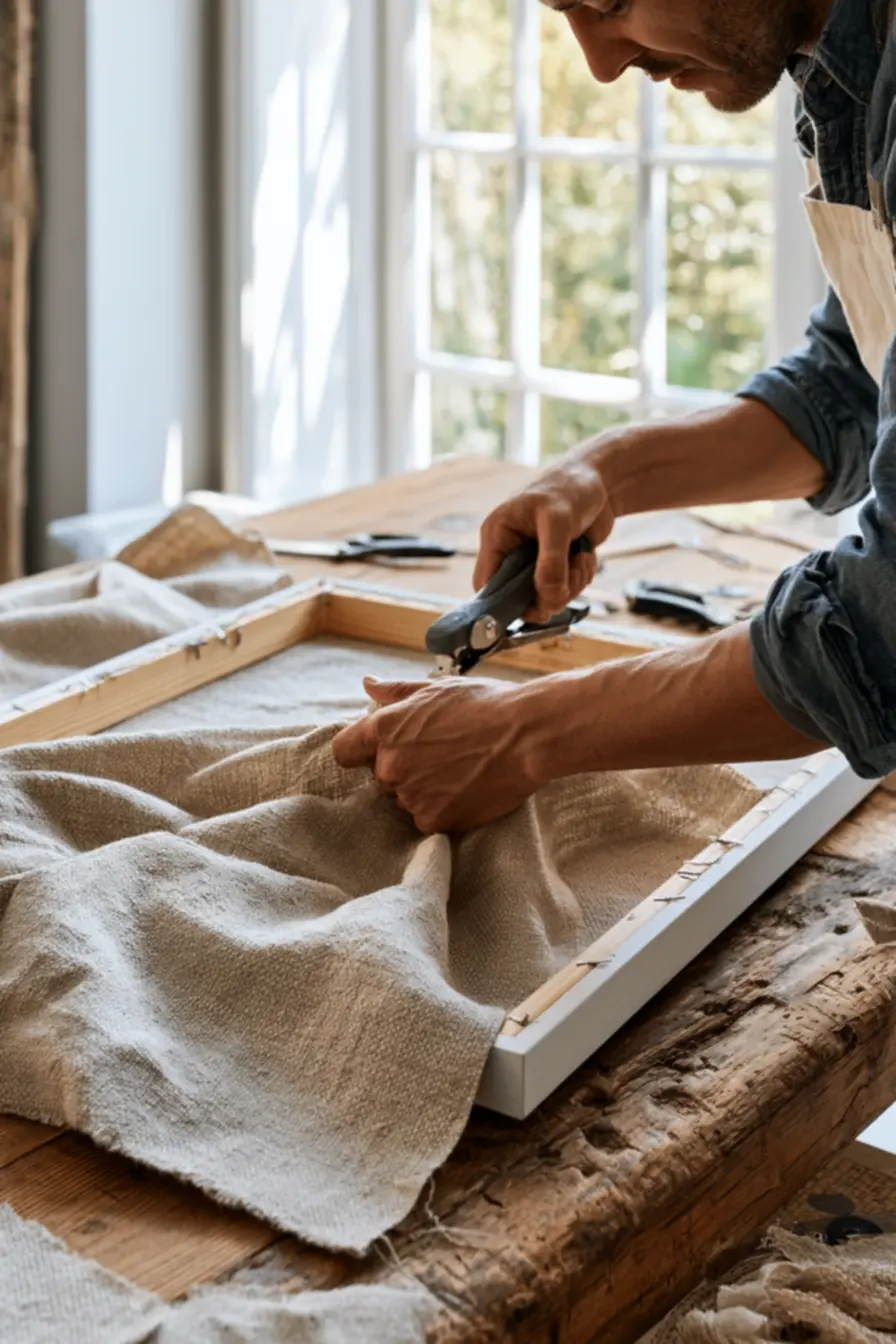
Stretching fabric evenly requires patience. Follow these steps for a professional finish and a smooth surface:
- Start with a sturdy wooden stretcher frame slightly smaller than your fabric.
- Lay your fabric flat on a clean surface with the printed side facing down.
- Center the frame on top of the fabric.
- Staple the center of one side to the back edge, pulling the fabric taut as you staple.
- Move to the opposite side, stretch, and staple at the center again.
- Repeat this with the remaining two sides to form a tight square.
- Work outward from the center staples in short pulls, alternating opposite edges to prevent uneven tension.
- Fold the excess fabric neatly at the corners and staple securely.
Note: Avoid pulling the fabric too hard or skewing it diagonally; this can distort the image or pattern once hung.
Using Embroidery Hoops and Small Frames: When Less Is More
Not every fabric wall decor piece needs to cover a large area. Embroidery hoops can frame small fabric swatches or vintage textiles, adding a layered, artistic feel to gallery walls. They also enrich corridors and nooks with unexpected texture.
Wooden hoops sized between 8 and 14 inches (20 to 36 cm) offer a noticeable but delicate accent. Group odd-sized hoops vertically or in clusters of odd numbers such as three or five to create rhythm without clutter.
Smaller hoops are ideal for renters because they hang easily with removable hooks, causing no damage.
Budget-Friendly Fabric Wall Decor That Looks Intentional
You do not need expensive fabric or custom-made frames to achieve impactful results. Here are some money-smart strategies to get started:
- Thrift store finds: Look for curtains, tablecloths, or vintage textiles with interesting patterns and sturdy fibers. These can often be repurposed with minimal cost.
- IKEA curtain panels: Sold around $15 to $30, solid or patterned cotton panels can be stretched or hung as-is to make striking wall features.
- DIY frames: Build simple frames using inexpensive pine boards cut to size at hardware stores and assembled with corner brackets.
- Dollar store adhesives: Use removable mounting strips designed for photos to hang fabric panels temporarily without nails or wall damage.
Practical tip: Always measure your wall and fabric carefully before cutting or assembling frames to avoid costly mistakes and wasted material.
Renter-Friendly DIY Fabric Walls: Damage-Free Ideas
If you rent and want stylish fabric decor without damaging your walls, here are top options:
- Use tension rods to hang curtain panels inside window recesses or door frames. Rod pockets sewn into your fabric make this easy and damage-free.
- Stick fabric-covered foam panels onto walls with large reusable adhesive strips or hook-and-loop fasteners on smooth surfaces. This adds texture and interest while being removable.
- Create fabric wall decals by applying fabric to self-adhesive vinyl sheets, which peel and stick like stickers. This solution is lightweight and renter-friendly.
- Arrange large standing fabric screens instead of mounting fabric on walls. Screens allow flexible placement and integrate fabric accents without any wall holes.
Caution: Always test adhesives on a hidden wall area before committing to avoid paint or drywall damage.
Light and Fabric: Why Room Lighting Changes Your Wall Decor’s Impact
Natural and artificial light profoundly alter the appearance of fabric colors and textures on your walls. A fabric that looks deep navy in afternoon light may appear nearly black under warm LED bulbs.
It is important to consider your room’s lighting direction when choosing fabric tones. Diffused morning sun softens pastel cotton prints, while direct southern light can bleach bright fabrics over time.
Position fabric wall decor away from direct sun exposure or rotate pieces seasonally to preserve colors and maintain vibrancy.
Maintenance and Cleaning: How to Keep Fabric Walls Fresh Without Damage
Fabric walls attract dust and require occasional cleaning to prevent a dingy look. Follow these easy maintenance steps for lasting beauty:
- Vacuum gently with a brush attachment every month to remove dust and allergens.
- Use a lint roller or soft cloth with mild detergent for spot cleaning difficult stains.
- Avoid saturating fabric with water or using harsh chemicals, because this may distort fibers or damage backing materials.
- If possible, remove fabric panels from frames to wash or replace fabric seasonally for a fresh update.
Pro caution: Fabric wall decor may not be suitable for households with heavy pet shedding or young children prone to staining walls.
When DIY Fabric Wall Decor Is Not Worth It: Knowing the Limits
Fabric wall decor is an excellent choice for many spaces, but know its limits. Uneven, textured, or damaged walls make smooth fabric mounting hard to achieve. High-humidity environments such as bathrooms and kitchens require moisture-resistant finishes, as fabric will sag and stain quickly.
If you want artwork with fine details or prefer sleek framing without bulk, traditional art prints or canvas paintings might suit your needs better. Additionally, if you dislike ongoing upkeep or seasonal fabric changes, wallpaper or paint may be less work-intensive options.
| Fabric Type | Best Use | Maintenance | Cost Level |
|---|---|---|---|
| Cotton Canvas | Living rooms, bedrooms, stretched panels | Easy vacuum and spot clean | Affordable ($10-$20 per yard) |
| Linen Blend | Soft textures, calm color schemes | Gentle care, avoid heavy stains | Mid-range ($20-$35 per yard) |
| Velvet | Occasional accents, plush rooms | Difficult, attracts dust | Higher end ($30+ per yard) |
| Polyester Prints | Bold patterns, lightweight hangings | Washable but can fade | Budget ($5-$15 per yard) |
Bringing It All Together: The Detail That Makes the Difference
DIY fabric wall decor is a versatile and affordable way to craft personalized wall art. The key to success is choosing fabric wisely, considering the room’s size and lighting, and mounting with care. Avoid lightweight or stretchy fabrics, pick patterns scaled to your wall space, and hang pieces at eye level with enough breathing room around them.
Renters should prioritize removable hanging methods, and all DIY enthusiasts should test fabrics and adhesives first on inconspicuous areas. When done thoughtfully, fabric panels and hoops add colors and textures unmatched by framed prints or paintings, and switching fabrics seasonally keeps your space dynamic and refreshed.
Start small with a fabric hoop gallery or a stretched canvas panel in your entryway to gain confidence before committing to a larger feature wall. With these expert tips, you can avoid common pitfalls and create fabric wall decor that feels integrated, intentional, and truly tailored to your home.
For readers seeking more ways to enhance their living spaces, exploring small space decor strategies that maintain beauty and functionality complements the ideas shared here perfectly. Additionally, for those interested in refreshing bedrooms, the post on balancing cozy and calm nursery decor offers valuable insights into fabric and textures. Finally, our new home and garden blog provides ongoing inspiration with practical tips for crafting stylish, livable spaces.
