
Small Space Decor Without Losing Beauty: Designer Tips Most People Never Hear
Decor for small spaces does not mean sacrificing style or comfort. The trick is to choose pieces and layouts that enhance your room’s dimensions rather than just fill it, while carefully balancing scale, light, and texture to maintain beauty without clutter. This article reveals design secrets most people never hear, specific layouts, materials, measurements, and choices that create stunning, functional small spaces you will want to live in.
Why Size and Scale Matter More Than Style in Small-Space Decor
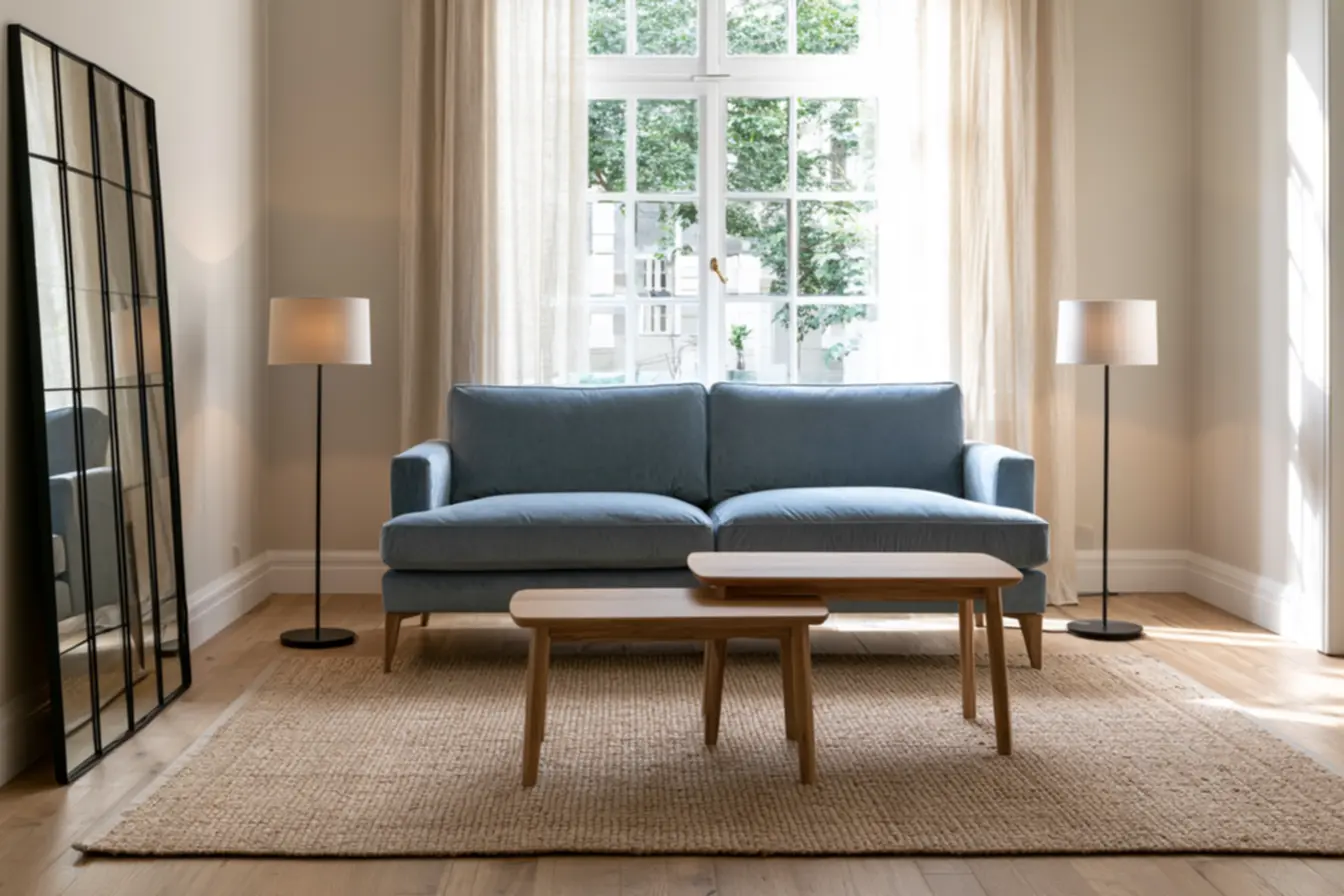
Many people jump straight to picking a style, modern, rustic, boho, without first considering scale. Even the most beautiful sofa can overwhelm an 8-foot (2.4 m) wide living room if it is too deep or bulky. Measuring your space accurately is essential, then matching furniture and decor elements proportionally to avoid overwhelming the room.
For example, a 60-inch (152 cm) wide loveseat is much more suitable than a 90-inch (229 cm) sofa in a compact lounge. Opt for pieces with slimmer profiles, such as furniture with legs raised off the floor, to improve visual flow and keep the room feeling open.
The Power of Light Walls and Reflective Surfaces
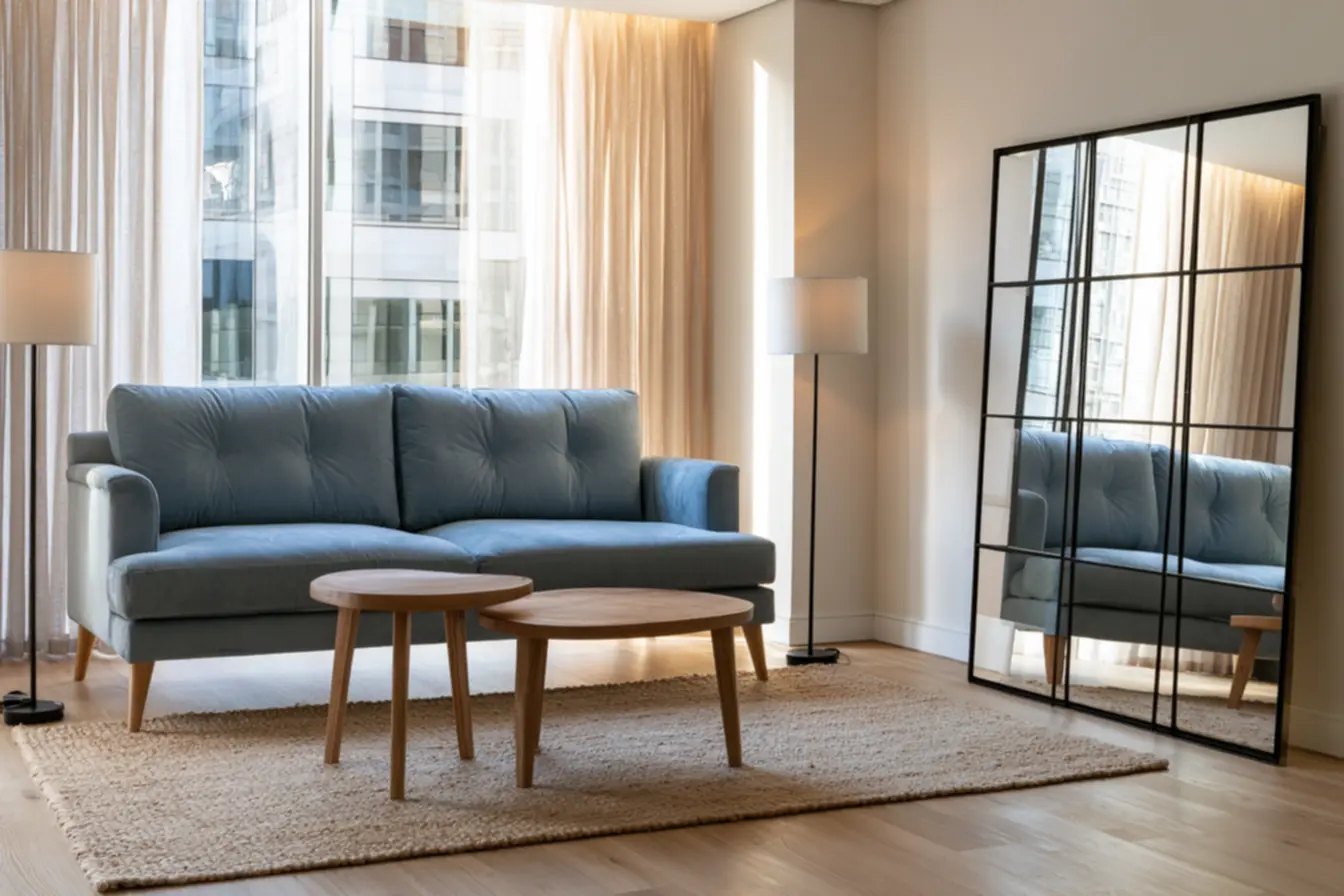
Light, cool-colored walls such as pale greys, muted blues, or warm whites are ideal in small rooms. These colors reflect natural and artificial light, making the space appear larger and brighter.
Beyond paint, mirrors serve as powerful tools to increase perceived space. A well-placed floor mirror of at least 48 inches (1.2 m) tall reflects both light and views, effectively doubling the perceived room size. Choose simple frames in black metal or natural wood finishes to avoid heavy visual weight on the walls.
Multi-Functional Furniture: Space Savers That Don’t Look Cheap
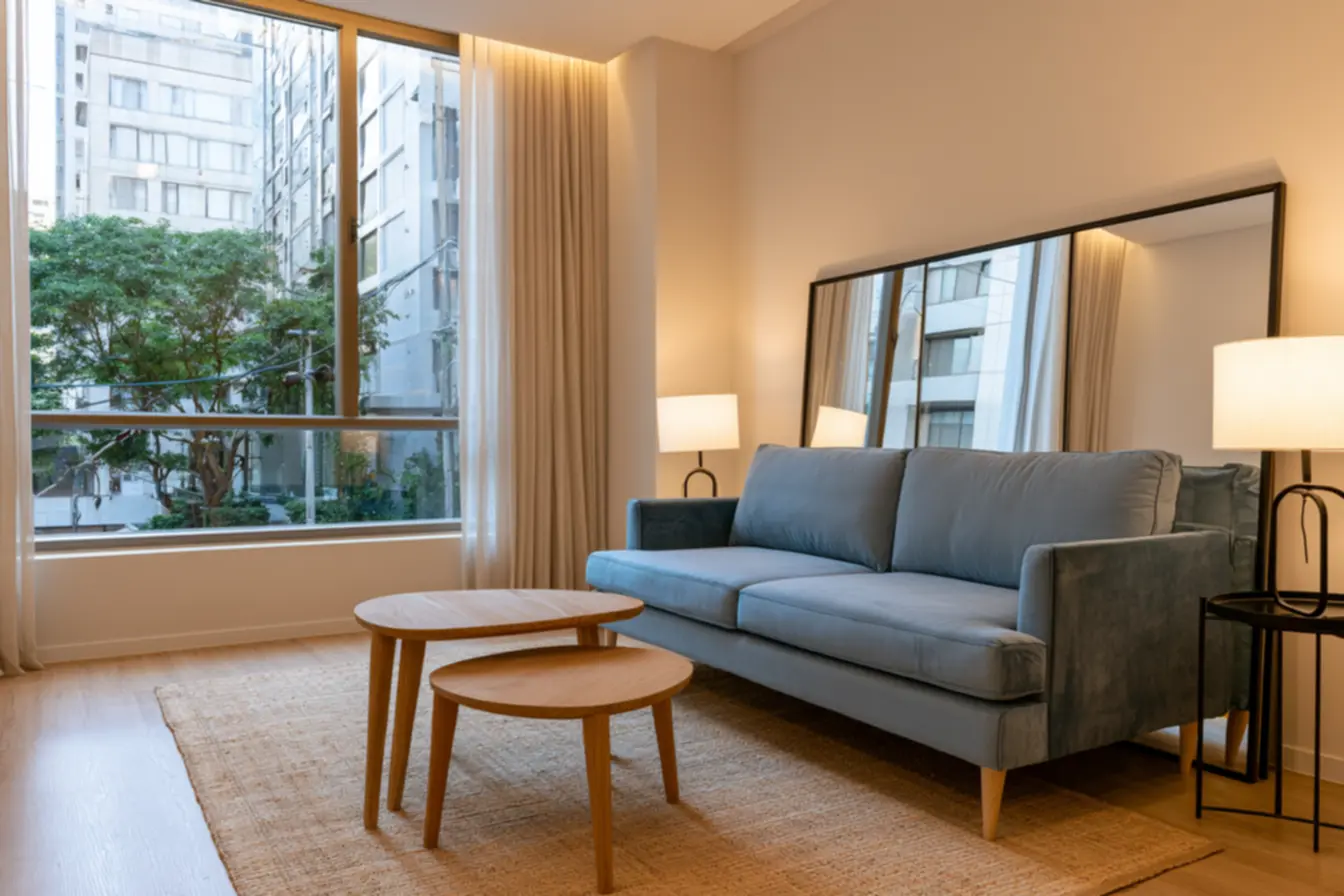
Furniture that serves multiple purposes is key in small-space decorating. For example, an ottoman with hidden storage doubles as a footrest, extra seating, and clutter storage for books or throws. Look for ottomans upholstered in durable fabrics such as performance velvet or treated linen blends that maintain their chic appearance over time.
Lift-top coffee tables and nesting tables are perfect for living spaces under 150 square feet (14 square meters). Nesting tables offer flexibility by allowing you to use all pieces together as a statement or separately to avoid overcrowding.
Built-In Storage That Feels Custom, Not Cramped
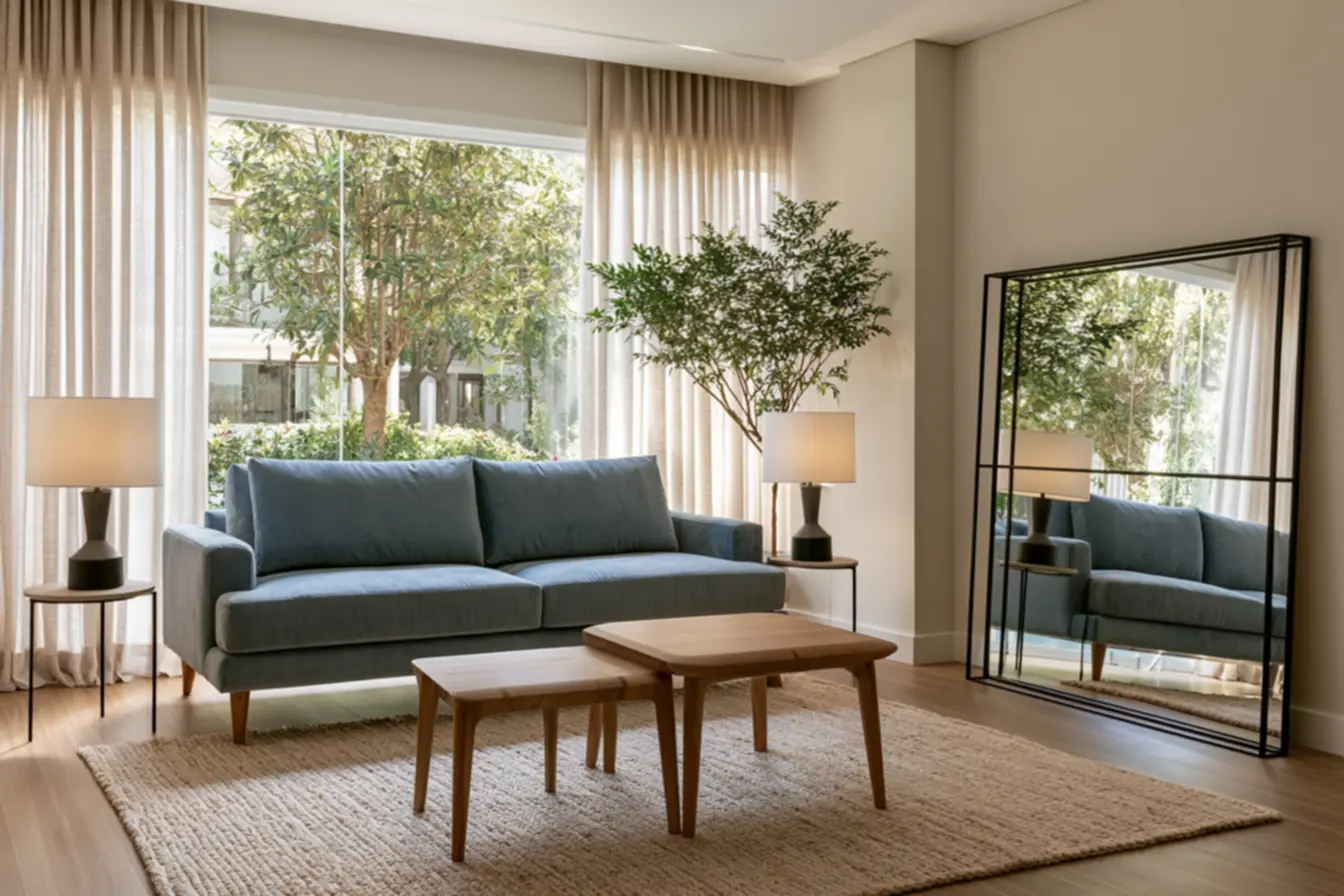
Open shelving or built-ins painted the same color as the wall visually recede, maintaining a spacious feel. Floor-to-ceiling shelves in places like reading nooks or above beds in studios add significant storage without increasing the footprint.
In busy or shared rooms, incorporate deep drawers and cabinets behind flush doors for efficient clutter concealment. Avoid glass-front cabinets in small kitchens or bathrooms where displaying contents can visually clutter the space.
Choosing the Right Curtains and Window Treatments
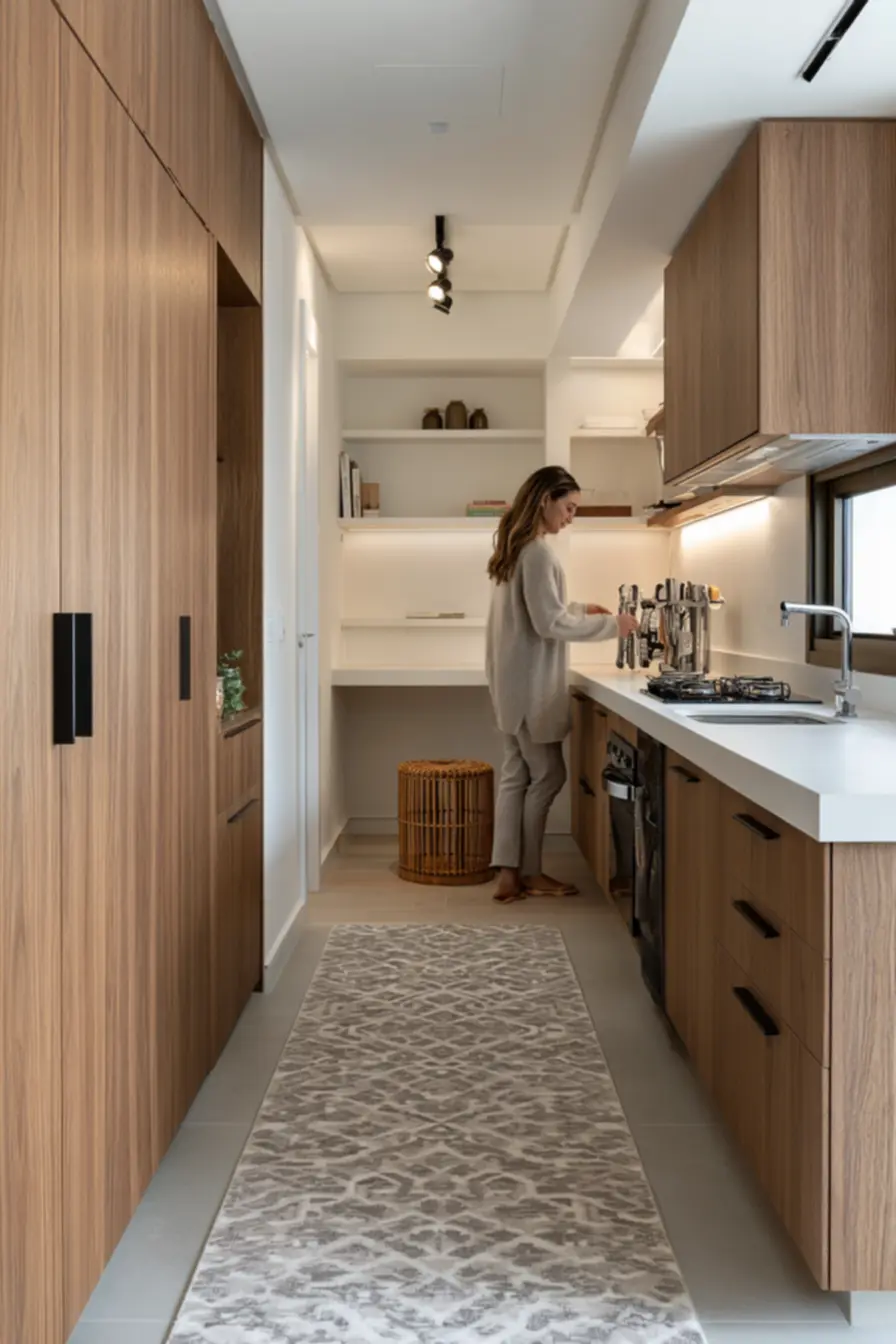
The choice of curtains often trips up small-space decorators. Floor-length curtains hung close to the ceiling, 6 to 12 inches (15 to 30 cm) above the window frame, create the illusion of greater height. Use lightweight, translucent fabrics in neutral tones to allow filtered light without glare or harsh shadows.
Avoid heavy, dark drapes that close off sunlight and make the room feel confined. For renters, tension rod blinds or bamboo shades offer brightness plus privacy without damaging walls.
Small Rugs: Find the Right Size to Anchor Without Overpowering
Rugs need to be proportionate to the space to work effectively. Rugs that are too small look like random patches, while overly large rugs can cause the room to feel boxed in. For a 10-foot by 12-foot (3 by 3.7 m) room, a rug around 5 by 7 feet (1.5 by 2.1 m) works well to ground seating areas.
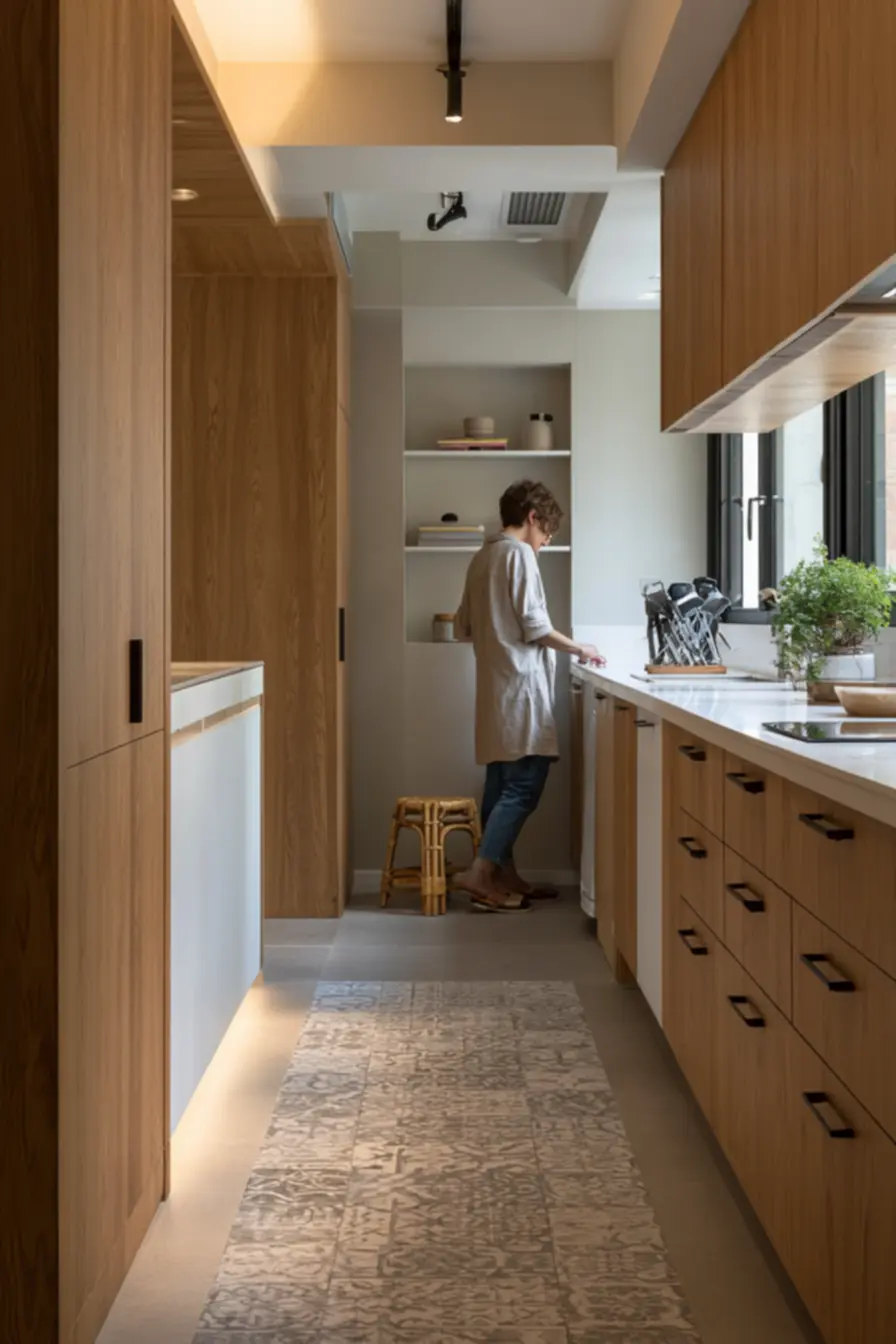
In kitchens, runners measuring 24 inches by 72 inches (61 by 183 cm) perform best along narrow galley layouts. Choose low-pile rugs with patterns that conceal dirt and wear, such as vintage distressed Persian styles or muted geometric prints.
Lighting Layers That Open Up Tight Corners
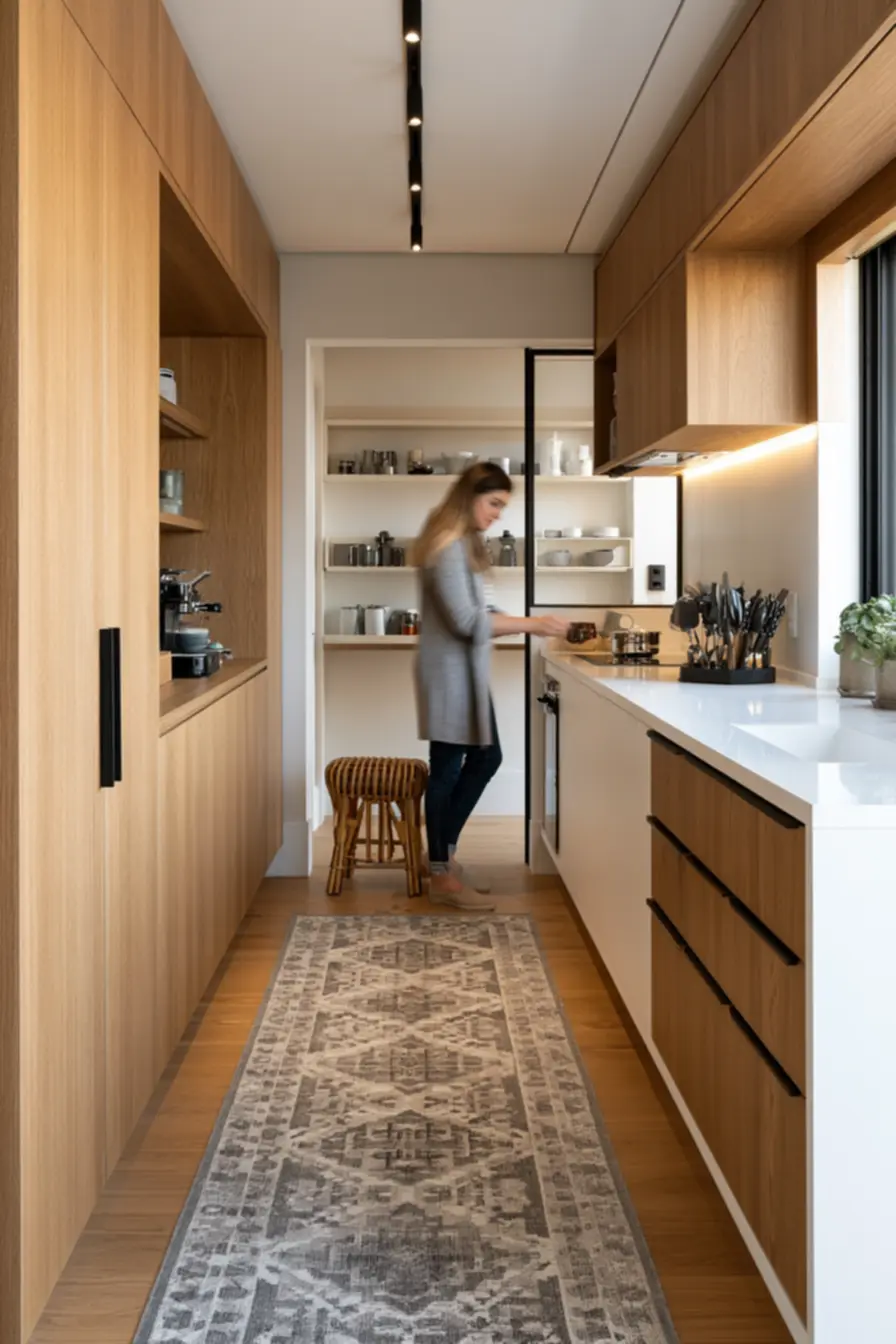
Layered lighting is essential for creating depth and openness in small rooms. Instead of relying on a single overhead fixture, use recessed ceiling lights or slim track lights along with wall sconces and portable table lamps to illuminate the space evenly and without clutter.
Wall-mounted swing-arm lamps beside beds or desks save valuable floor and surface space, while adjustable brightness settings allow practical use for both reading and relaxing. Proper lighting layers improve both ambiance and functionality.
Why Clear Furniture Works Wonders in Confined Spaces
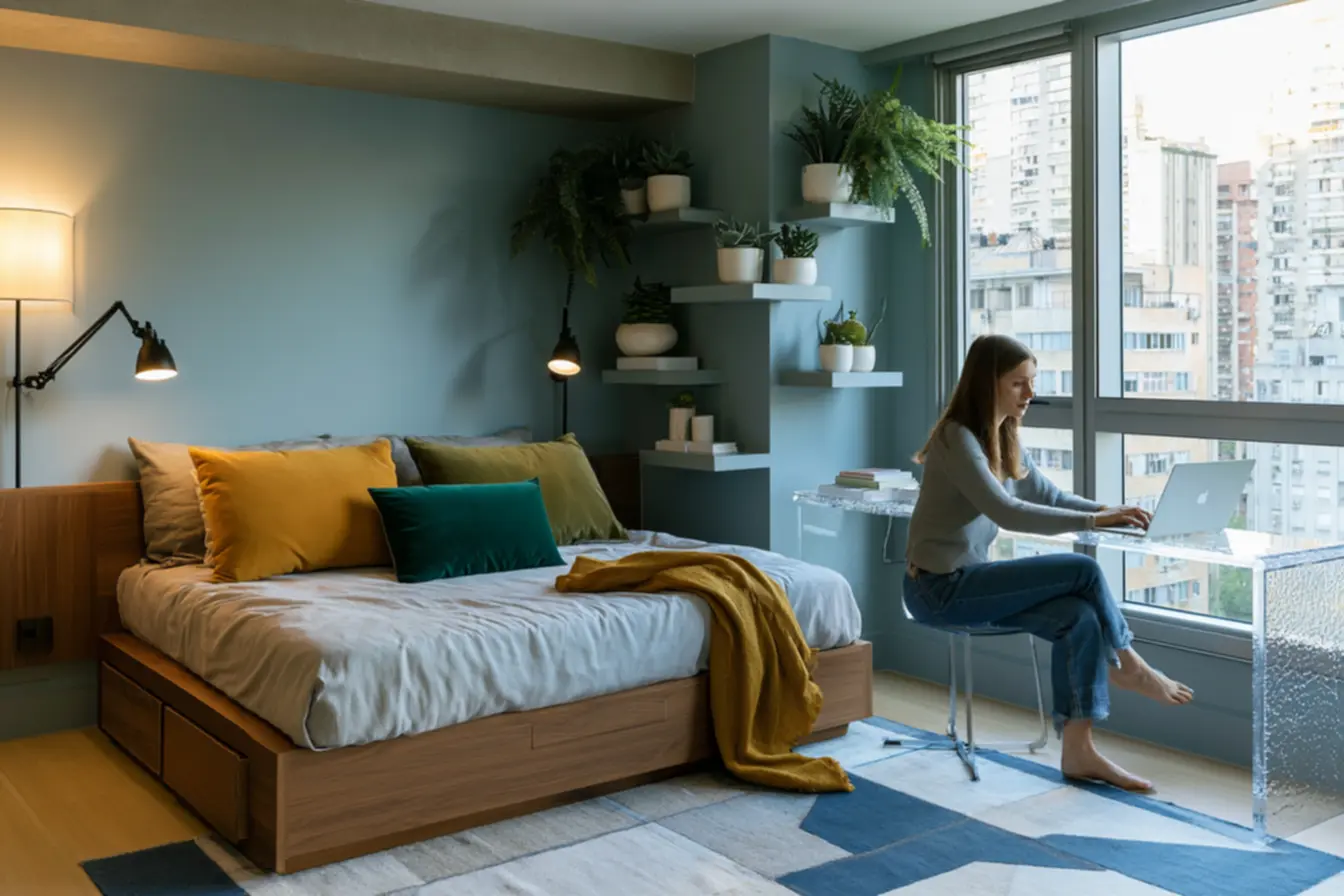
Materials such as acrylic and glass create the illusion of more space because they do not visually block sightlines. For example, a 30 x 18 inch (76 x 46 cm) acrylic desk in a small bedroom doubles as a minimalist vanity without visually dominating the area.
Acrylic or ghost chairs around dining tables help maintain openness; be sure to pair them with warmer wood or natural stone tabletops to avoid a cold or fake appearance.
Using Vertical Space for Decor Without Cluttering
Utilizing vertical space breaks the box effect of small rooms by drawing the eye upward. Floating shelves arranged at staggered heights, vertical plant stands, and tall, slender artwork above furniture can add personality and function without crowding floor space.
However, it is important to avoid wall overcrowding. In narrow hallways or compact bedrooms, one or two large statement pieces create a more intentional look than multiple smaller items.
Small Spaces Benefit from Simple, Coordinated Color Palettes
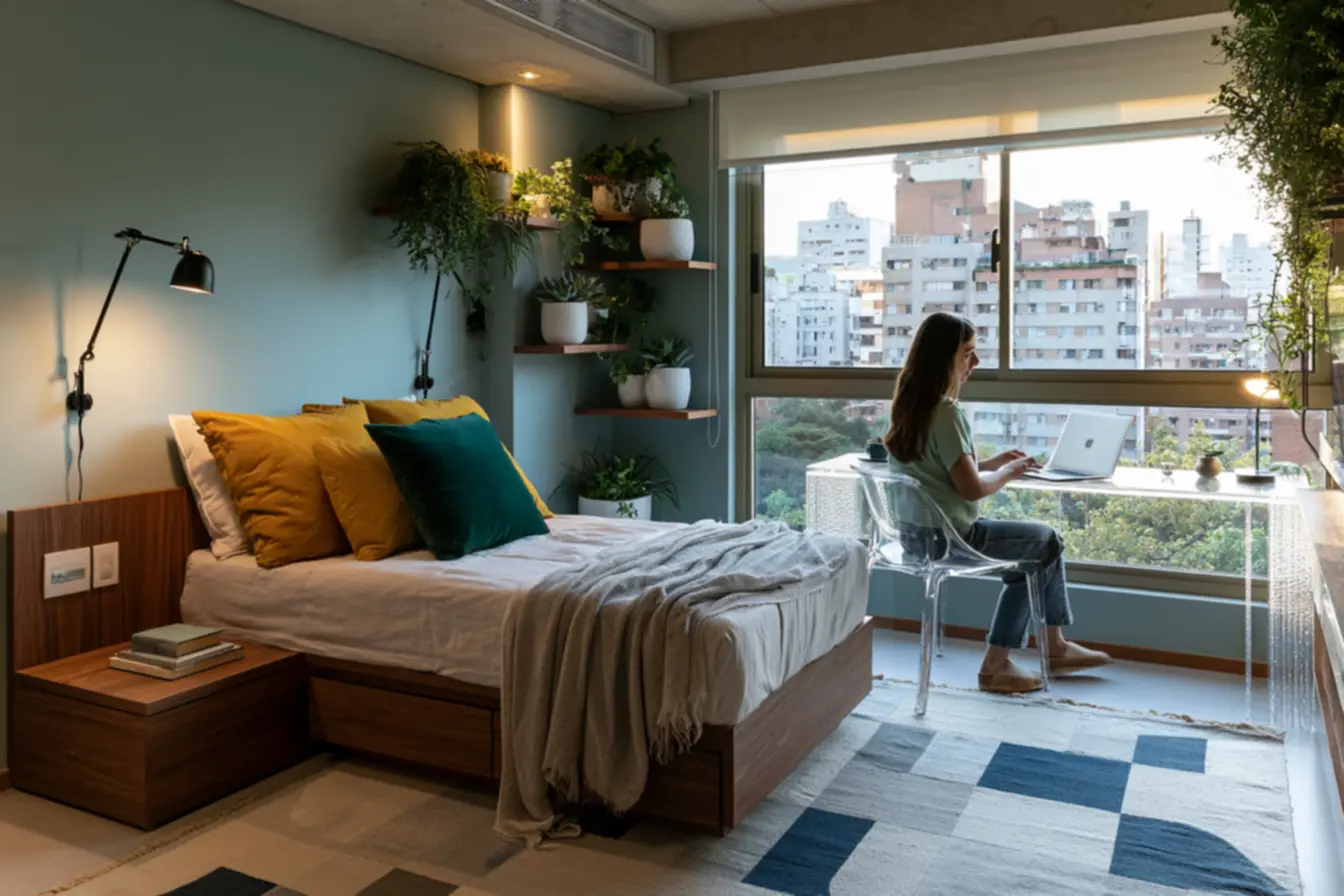
Limiting your color scheme to three main colors plus neutrals keeps rooms feeling unified and calm. For example, dusty blue, soft beige, and walnut brown provide depth without overcomplicating.
Bright or dark accent colors should be applied sparingly, perhaps a single mustard cushion or teal vase, as too many bold colors make small rooms feel chaotic and smaller.
How Texture and Pattern Can Enrich Without Overwhelming
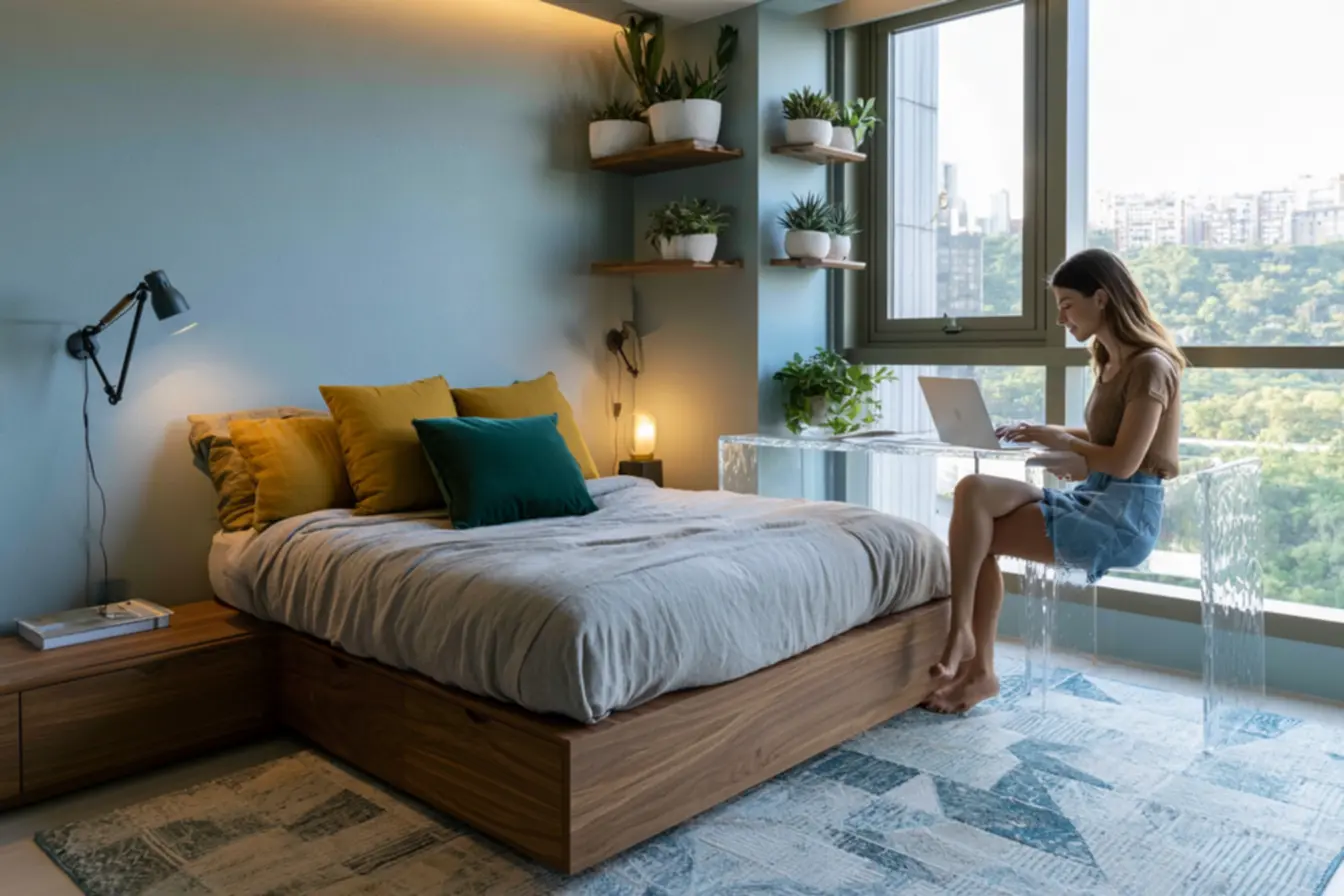
In small rooms, texture replaces the layered detail typically provided by multiple decor items in larger spaces. Mix fabrics and finishes carefully: woven baskets, a boucle throw over a smooth leather chair, or a rough jute rug paired with a silk cushion create depth without clutter.
When adding patterns, choose large-scale and simple designs, such as striped wallpaper or rugs with bold geometric shapes. Avoid tiny dense patterns that can visually shrink the room or cause chaos.
Mistakes That Make a Small Room Feel Even Smaller
- Overfilling the space: Excessive small decorations or furniture items clutter the room and trap the eye.
- Ignoring ceiling height: Hanging light fixtures too low or positioning artwork at eye level rather than higher reduces the sense of height.
- Dark floors with heavy rugs: Dark hardwood or tile floors combined with bulky rugs shrink the perceived floor area significantly. If you must use dark flooring, choose light or medium-toned rugs that cover most of the space.
- Opaque furniture: Large, bulky sofas or tables block sightlines and disrupt flow.
- Narrow pathways: Walkways less than 24 inches (60 cm) wide impede movement and cause frustration.
Renter-Friendly Small Space Decor That Doesn’t Feel Temporary
Renters often face limitations due to rules about painting and drilling, but removable options offer excellent solutions.
- Peel-and-stick wallpaper: Choose subtle textures or patterns that add interest without leaving residue upon removal.
- Command hooks and strips: Perfect for hanging lightweight art, mirrors, or curtains without damaging walls.
- Temporary shelves: Freestanding shelves that fit snugly into corners maximize vertical space without wall damage.
- Plug-in uplights or corner floor lamps: Provide layered lighting with no need for hard wiring, ideal for renters.
The Practical Choice Most People Ignore: Keeping Traffic Flow Clear
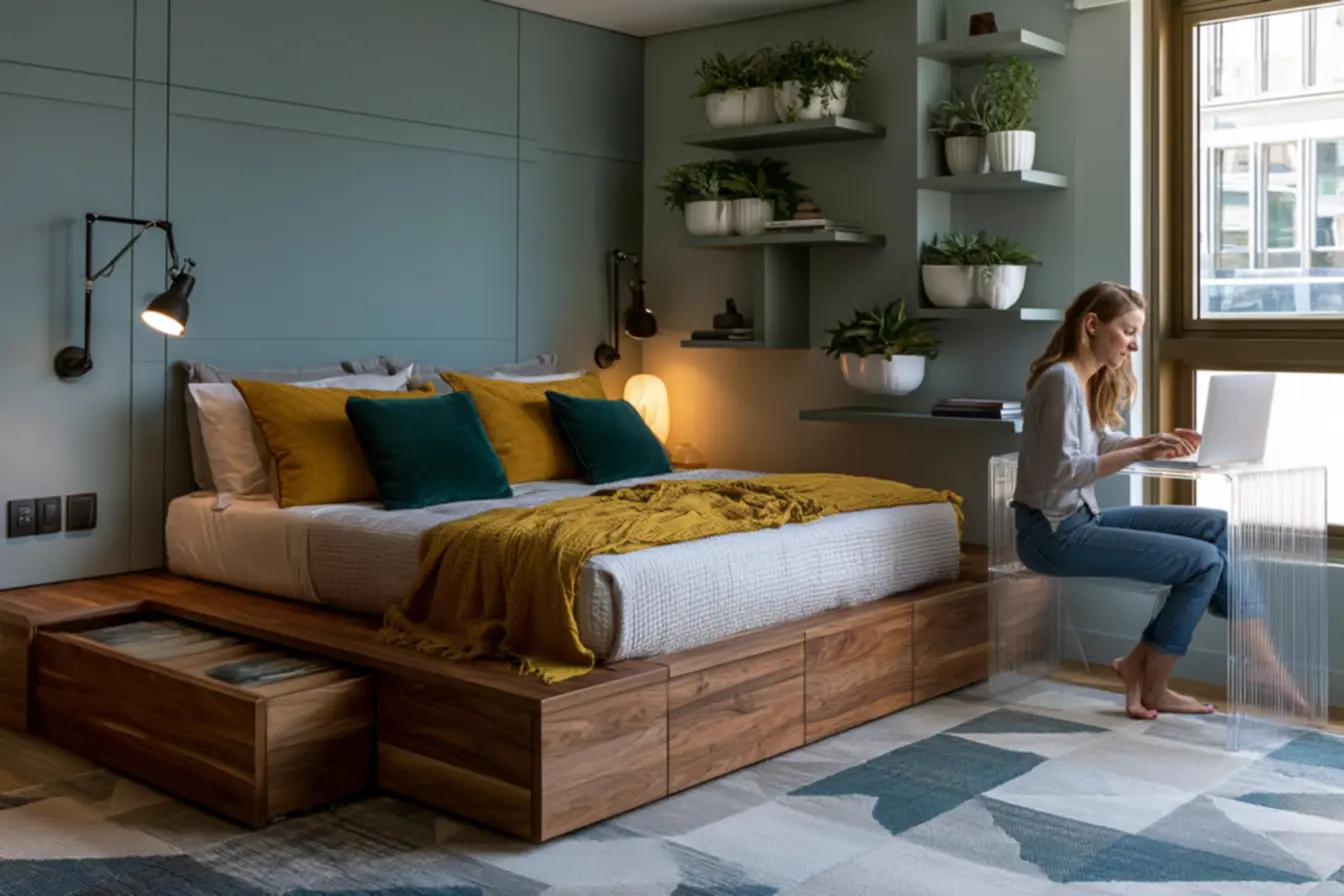
Small spaces are not just about aesthetics; they must function well daily. Before purchasing any furniture or decor, mentally map your walking routes. Keep clear paths at least 30 inches (76 cm) wide through main rooms, wider if mobility aids or children share your home.
This sometimes means choosing a slim storage bench or a minimalist wall-mounted desk over a pretty armchair that blocks traffic flow. Prioritizing movement within the space helps reduce frustration and creates a more livable home.

Materials That Are Both Stylish and Practical for Small Spaces
Durability and ease of cleaning are especially important in small rooms where wear and clutter become noticeable quickly. Consider these materials for furniture and decor:
- Fabrics: Performance linen blends and treated cotton slipcovers resist stains and wear better than delicate fabrics like pure velvet or silk.
- Wood: Medium-toned woods such as walnut or oak hide scratches and marks better than very light or dark finishes.
- Metals: Blackened steel or brass finishes introduce warmth and contrast without overwhelming the space.
- Glass/acrylic: Use sparingly to keep light moving, but avoid surfaces that show fingerprints easily unless frequent cleaning is possible, such as clear acrylic dining chairs.
Quick Table: Best Decor Options for Small Spaces by Room
| Room | Best Furniture/Decor | Materials | Common Mistake |
|---|---|---|---|
| Living Room | Loveseat or slim sofa, nesting tables, floor mirror | Performance fabrics, walnut, black metal | Oversized bulky sectional sofas |
| Bedroom | Storage bed, wall-mounted lights, floating shelves | Wood veneer, linen blends, matte black finishes | Heavy, ornate headboards |
| Kitchen | Open shelving, compact bar stools, patterned runners | Stainless steel, bamboo, cotton rugs | Cluttered countertops and full-size dining sets |
| Bathroom | Wall-mounted cabinets, large mirror, light-colored tiles | Glossy ceramic, glass, light-colored wood | Dark paint and bulky vanities |
Small Details That Make Budget Decor Look More Expensive
Invest in foundational elements with longevity rather than trendy items with a short lifespan. These updates give a polished look at affordable cost:
- Elegant hardware: Replace cabinet knobs and handles with matte black or brushed brass for an instant style upgrade.
- Consistent metal finishes: Coordinate lamp bases, drawer pulls, and curtain rods to create a cohesive, intentional feel in your space.
- Layered lighting: Use dimmers and multiple lighting sources to avoid harsh or flat illumination.
- Plush throws and sculptural cushions: These introduce tactility and comfort without consuming limited floor space.
The Final Touch: Bringing Style and Function Together in Small Spaces
Decor for small spaces requires a delicate balance between size, scale, and smart choices. By prioritizing proportionate furniture, light-enhancing surfaces, multi-functional pieces, and carefully selected materials, you create rooms that feel open and inviting without losing personality.
Measure your room carefully first, then shop with intention, remembering that less can be more. Incorporate layers of light, strategic color choices, and varied texture to avoid flatness. And always leave clear walking paths to make day-to-day life easier and more enjoyable.
Start small, focus on details that improve both usability and aesthetics, then build your space out gradually. For additional inspiration, consider exploring helpful advice and creative ideas from other posts such as our nursery decor tips balancing cozy and calm, simple trailer home decorating ideas, and home design insights for real homes.
