Crochet Patterns for Home Decor: What Most Beginners Overlook
When starting with crochet patterns for home decor, beginners often jump straight into complex motifs or delicate yarns that look great in photos but do not hold up well under everyday use.
The key is choosing patterns and materials that fit the intended space and function. This article reveals what most beginners overlook, from selecting the right stitch for durability to understanding scale and maintenance, to help you create home decor pieces that look polished and actually perform well.
Choosing the Right Crochet Patterns for Different Rooms
Crochet patterns vary greatly, and their success depends largely on the use and location of the item. For instance, an intricate lace pattern is charming in window treatments or lampshades but is often impractical for a throw used daily on a sofa.
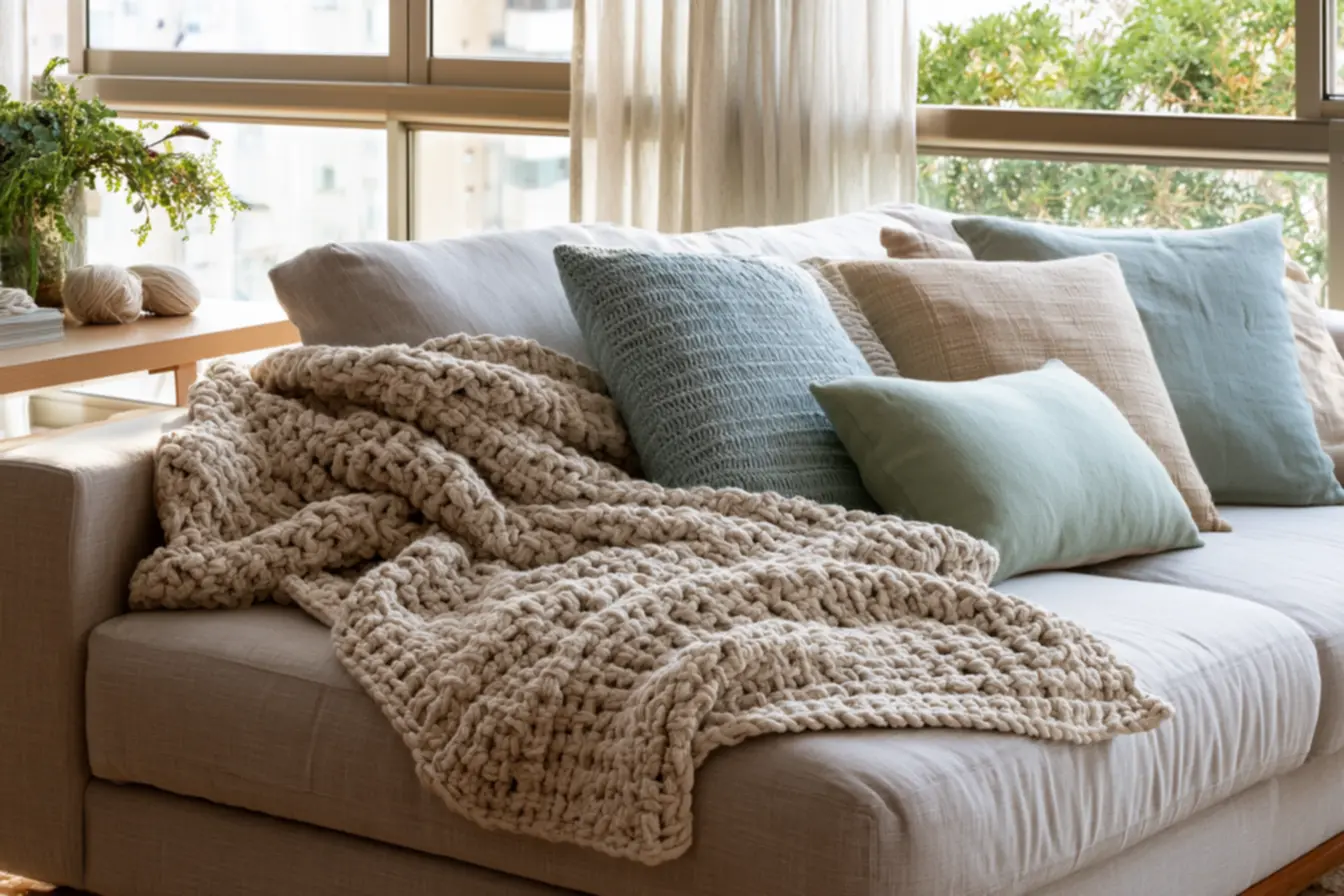
- Living Room: Focus on thicker stitches like basket and bobble stitches for throws or cushions that withstand frequent use. Patterns such as granny squares or basket weave in bulky cotton or acrylic blends hold their shape better and require less delicate care.
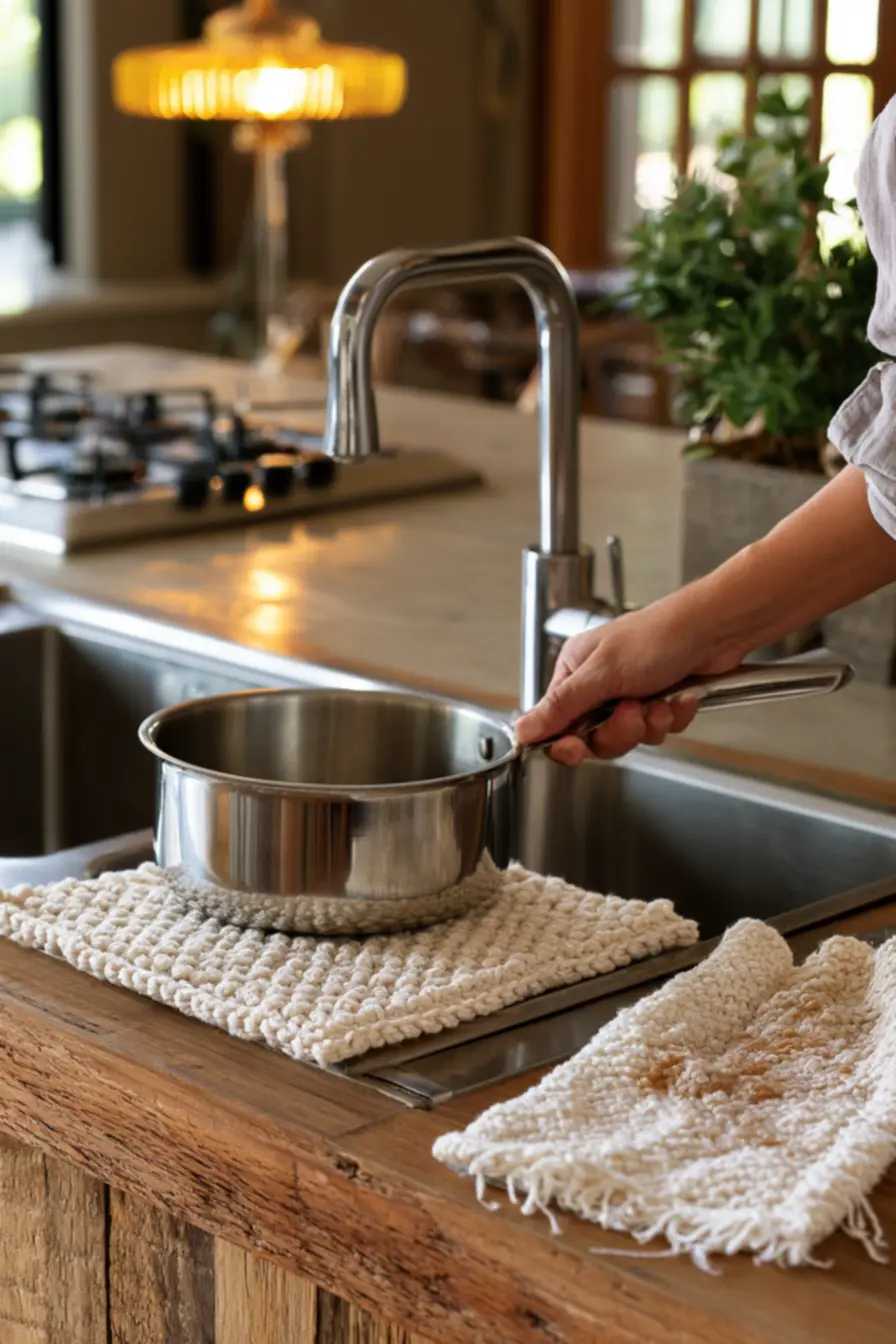
- Kitchen: Choose tight, dense stitches that dry quickly and repel stains, such as single crochet or half double crochet for potholders or dishcloths. Cotton yarn is ideal because it is absorbent, durable, and machine washable.
- Bedroom: Opt for soft, textured patterns like shell stitches or puff stitches for bed runners or wall hangings. Use softer yarns such as cotton blends or acrylic to avoid irritation against the skin.
- Bathroom: Quick-drying and mildew-resistant materials are essential. Patterns with open mesh are aesthetically pleasing but do not hold up well to moisture. Dense, flat weaves combined with performance yarns designed for bath use are best.
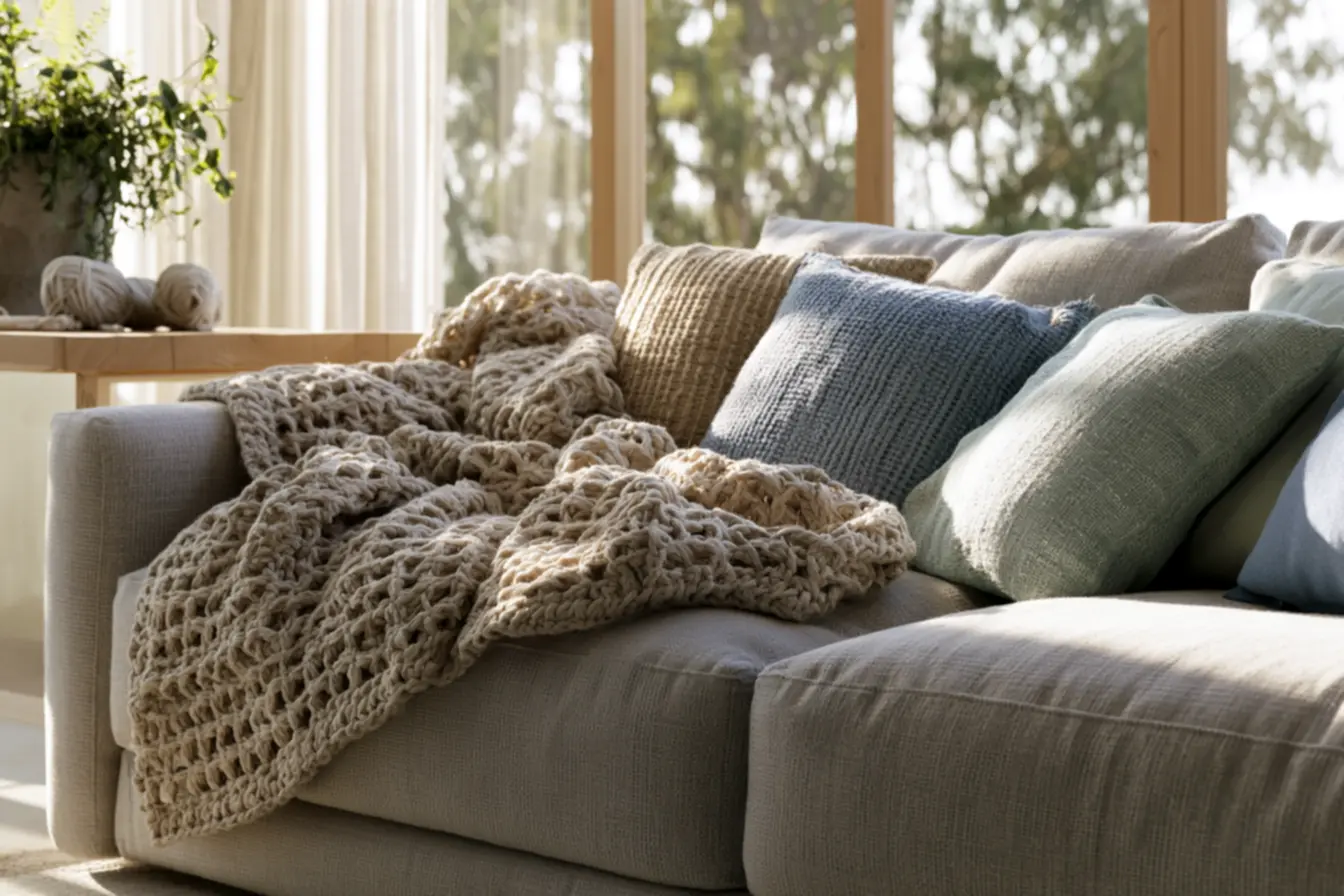
The practical choice that many beginners miss is matching stitch density not only with appearance but also with how the item will be used daily. Durability starts with selecting the right stitch for each functional need, ensuring your crochet piece performs as well as it looks.
The Impact of Yarn Choice on Home Decor Crochet
Many first-time crocheters select beautiful but unsuitable yarns, resulting in items that sag, pill, or fade prematurely. It is best to avoid fine, delicate threads unless the item is intended strictly for decorative, seldom-used pieces.
- Cotton: The top choice for home decor; it is breathable, washable, and holds structure well. Best suited for kitchen items, coasters, rugs, and items needing easy maintenance.
- Acrylic: A great budget-friendly option with good durability for throws and cushions. Some acrylic yarns appear shiny or cheap, so selecting matte, soft blends improves the look and feel.
- Wool: Warm and textural but less practical for moisture-prone or sunny areas. Wool may felt or shrink unless specially treated.
- Blends: Cotton-acrylic blends offer softness and durability, making them practical for rooms with varied uses.
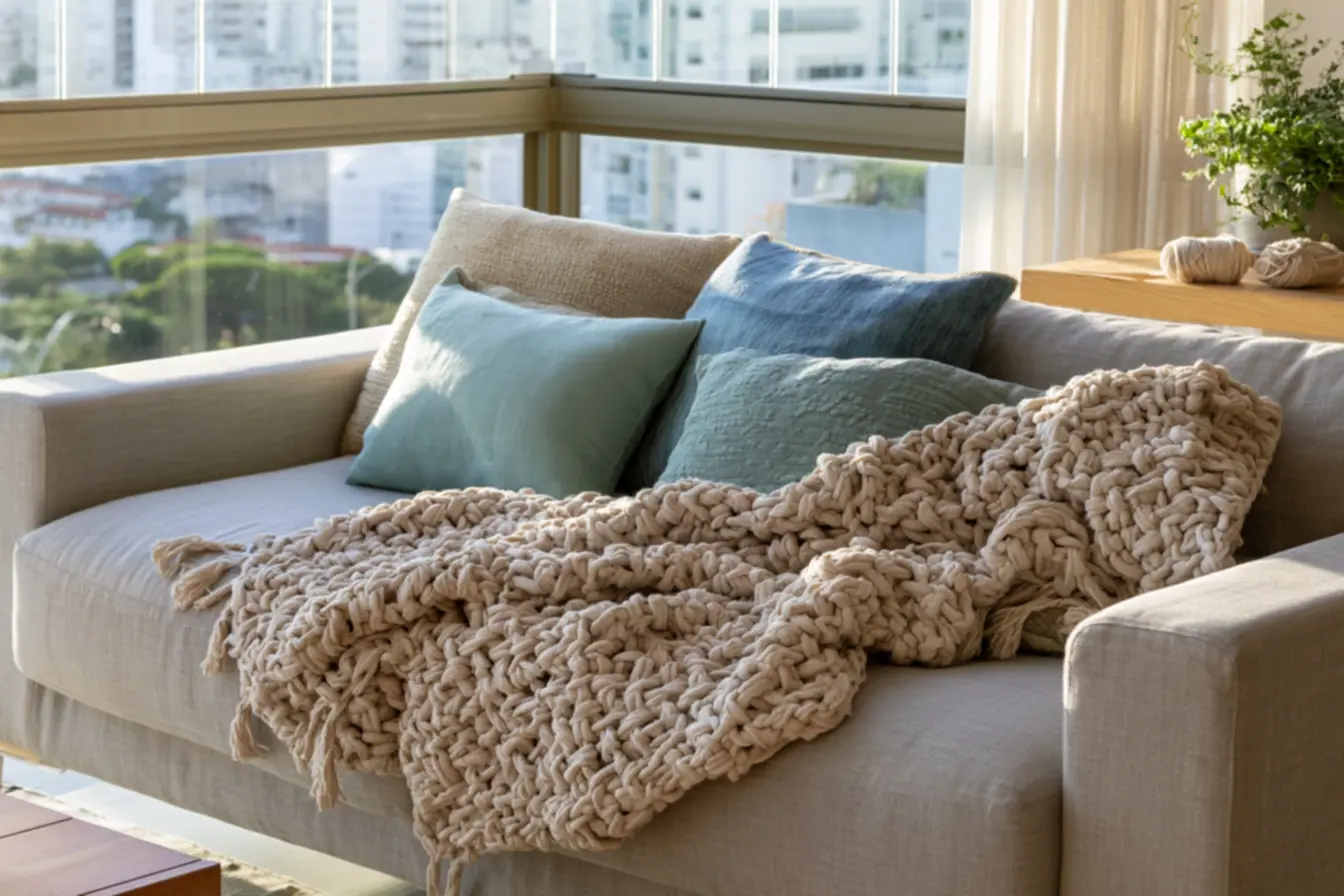
A common mistake is prioritizing softness for all items, but hallway rugs or accent pillows face rougher wear and need robust yarns that maintain shape over time. Selecting appropriate yarn drastically influences the longevity and care requirements of crochet projects.
Why Scale and Size Matter More Than You Think
Beginners often take pattern dimensions literally, but home decor pieces must harmonize with existing furniture and room size. A throw measuring 50 by 60 inches may seem perfect in a pattern but can overwhelm a small chair or appear too small on a large sectional.
Practical tip:Measure your space carefully before starting. For cushion covers, know the pillow dimensions and decide if a snug or loose fit complements your room style. For rugs or wall hangings, consider how much wall or floor space you want to fill to prevent cluttering.
For example, a 3-foot by 5-foot crocheted rug with an openwork pattern might feel fragile underfoot because the loose stitches reduce durability. In contrast, a rug of the same size in a denser stitch performs better visually and is easier to clean.
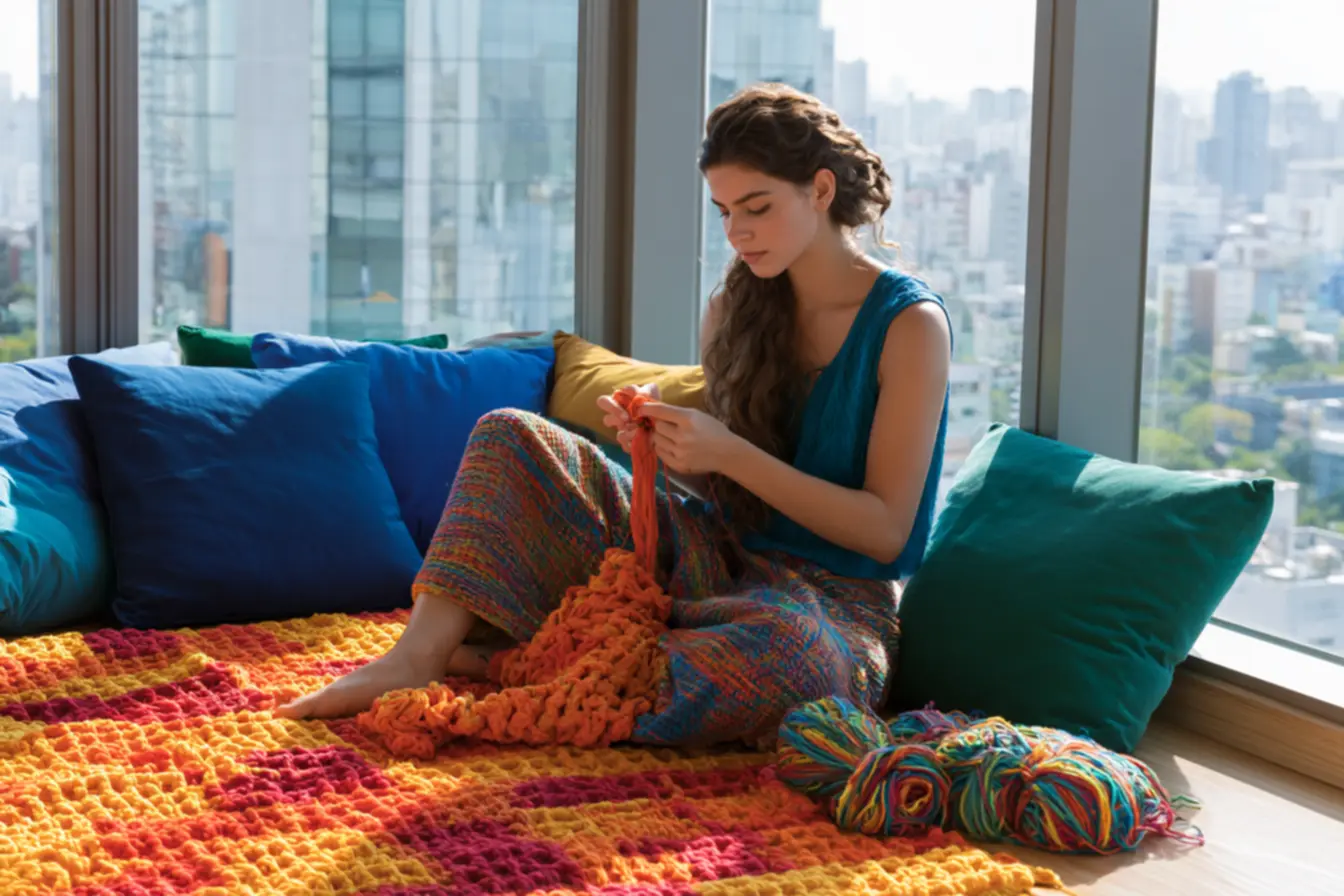
Patterns That Hide Imperfections and Wear Better Over Time
Simple patterns can sometimes appear boring, but intricate lacy patterns often show dirt or snag quickly. Stitch choice greatly affects the durability and maintenance of home decor.
- Basket weave: Thick and textured, excellent at hiding stains and uneven wear.
- Granny squares: Ideal for modular decor such as throws and cushion covers; individual squares can be replaced or washed independently.
- Shell stitches: Add appealing texture but may stretch if the yarn choice lacks sturdiness.
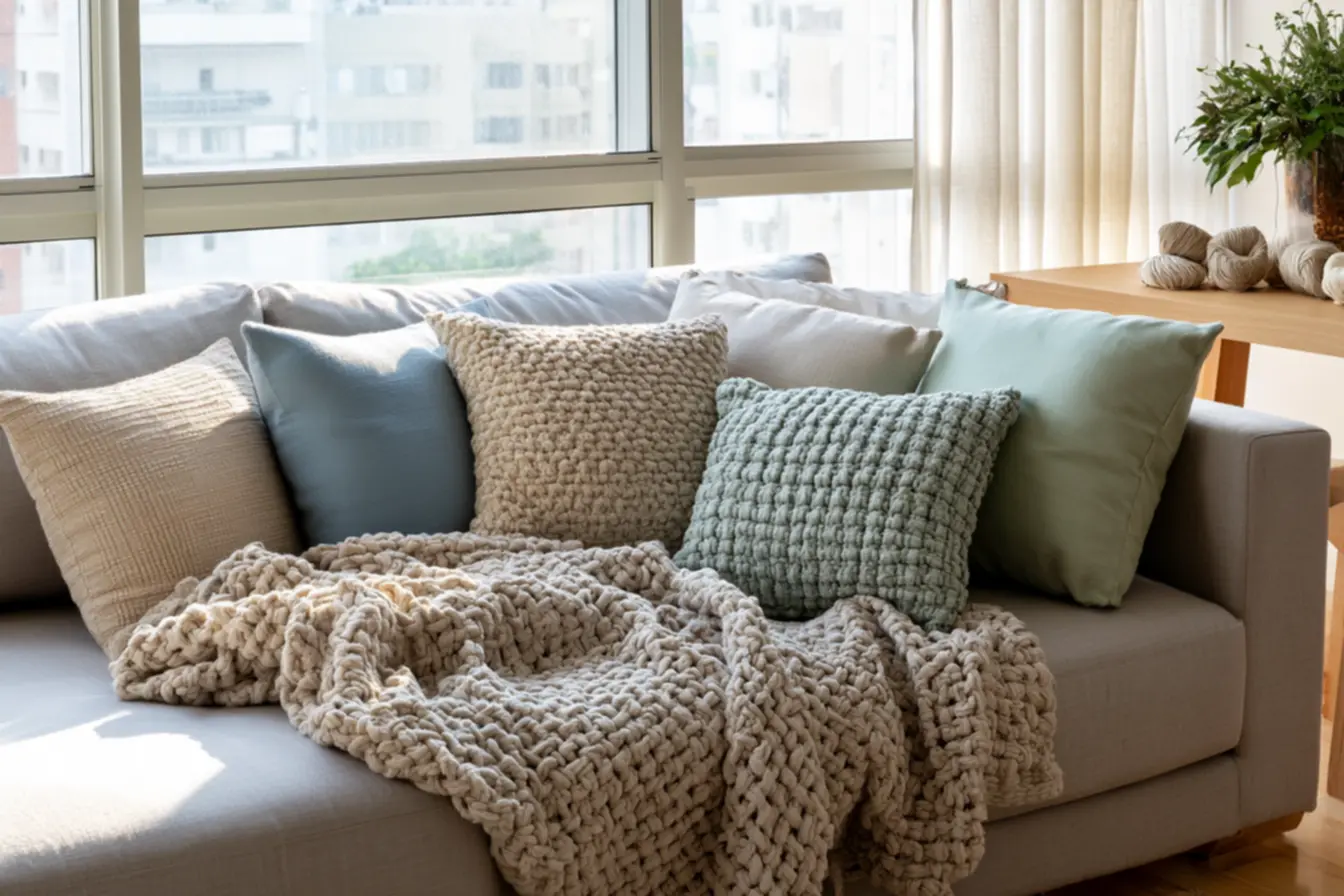
Bulky, textured patterns excellently mask fading, minor holes, and wear, allowing your home decor to last longer without the need for frequent replacement or repairs.
Step-by-Step Guide to Choosing Your First Home Decor Crochet Pattern
- Assess your space: Measure the area accurately and consider the room’s style and color palette.
- Decide on function: Determine if the piece will be a decorative pillow, rug, or wall hanging to influence pattern selection.
- Pick your yarn: Match yarn material and weight to your item’s function (refer to the yarn section above).
- Choose a pattern: Select patterns with stitches you are comfortable with but that suit the item’s use. Avoid overly lacy or delicate patterns for high-traffic items.
- Make a test swatch: Crochet a 4-inch square to check gauge, stitch appearance, and how the yarn behaves.
- Calculate size adjustments: Modify pattern dimensions according to your measurements.
- Plan finishing touches: Decide on edging, blocking, and any lining (important for rugs) to enhance durability and appearance.
Common Misconceptions About Crochet Patterns for Home Decor
A common misconception is that more intricate means better. Sometimes, simpler patterns offer greater versatility and durability. For example, open lace looks stunning on a bedside lampshade but is impractical for a cushion cover used daily.
Another important point is maintenance, washability is key. Many beginners choose delicate yarns that require dry cleaning or hand washing, making everyday care frustrating. Prioritize machine-washable yarns where possible.
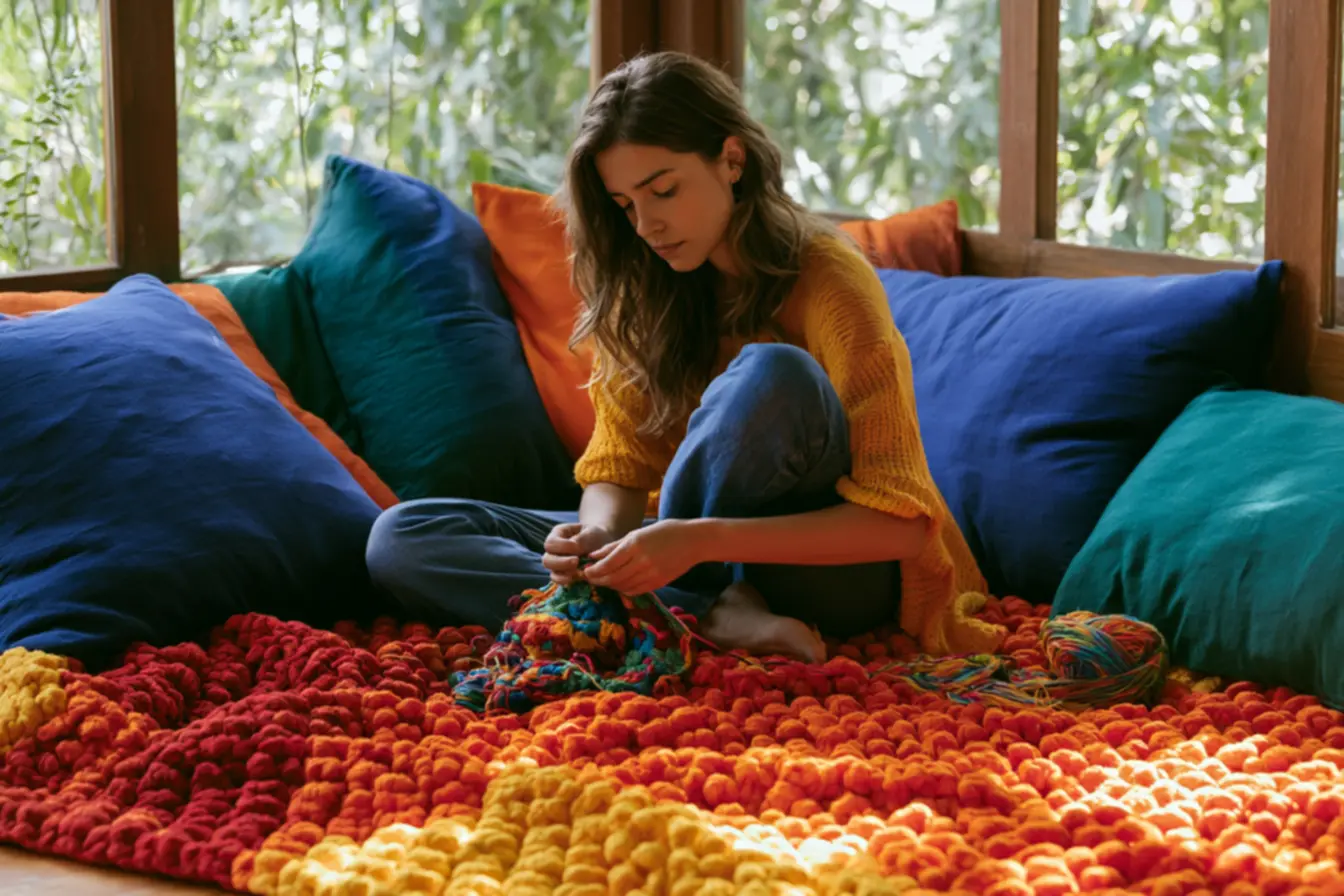
Many also overlook how color impacts decor crochet. Bright, intricate patterns may clash with the surrounding room colors or become visually cluttered. It is best to stick to solid or tonal shades for large items that anchor the room, using patterned pieces sparingly as accents.
Best Crochet Patterns for Small Spaces: Less Is More
Small apartments or rooms benefit most from decor pieces that do not overcrowd the space. Here are three ideal pattern types:
- Wall Hangings in Neutral Colors: Use macramé-inspired patterns with tight stitches in creams or grays to add subtle texture to small walls.
- Square Cushion Covers (16 inches / 40 cm): Compact patterns like moss stitch or waffle stitch add dimension without bulk, perfect for slim sofas.
- Table Mats and Coasters: Simple round or square patterns made from sturdy cotton fit small dining areas well and are easy to clean or replace.
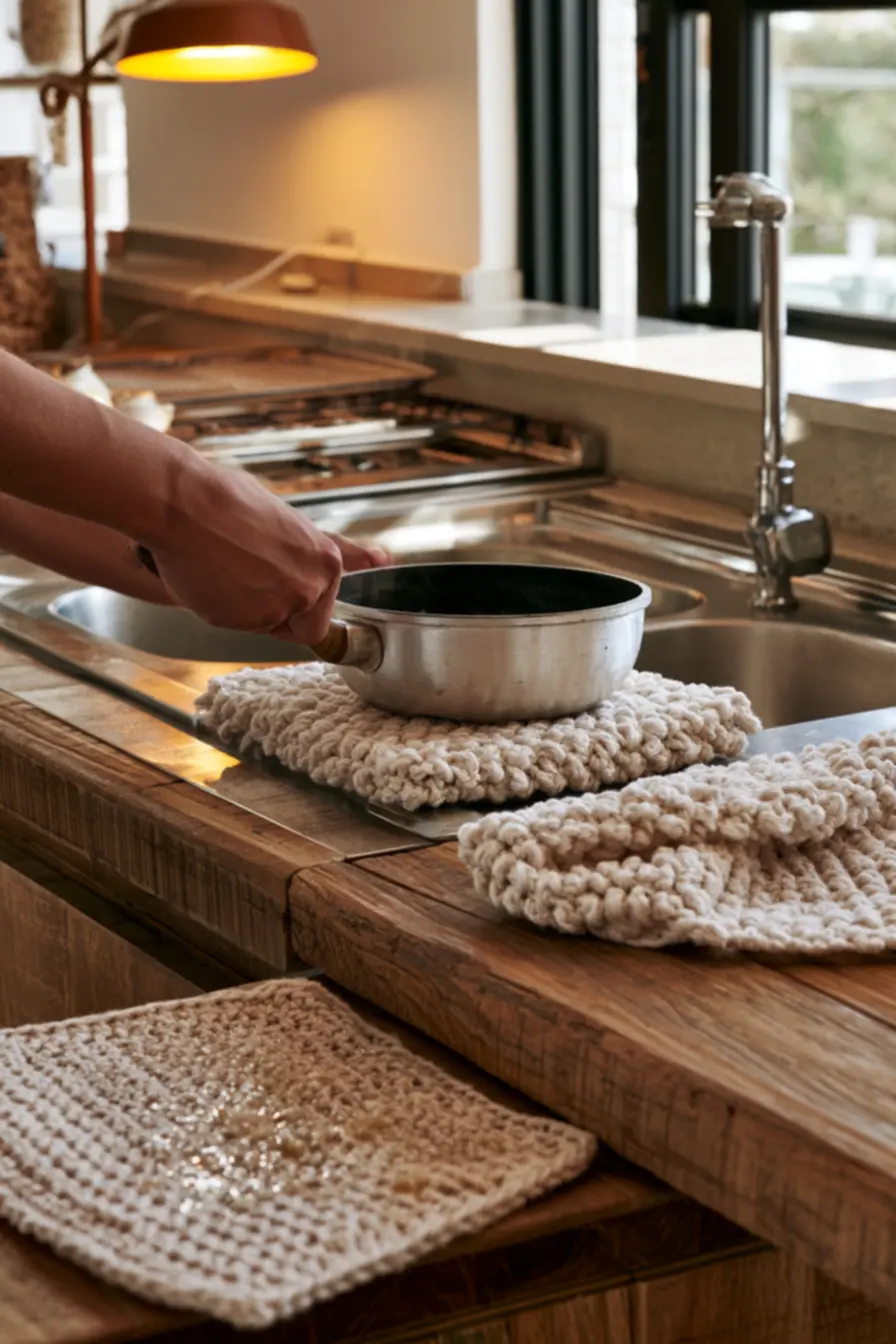
Choosing crochet patterns with clean edges and simple shapes maintains visual balance in tight rooms where every inch counts.
Renter-Friendly Crochet Decor: Damage-Free and Stylish
Renters need decor that enhances their space without permanent installation or difficult cleaning. Crochet patterns for throw pillows, lightweight curtains, or removable table runners work best here.
Consider these renter-friendly tips:
- Avoid glued or heavy framed accents. Use tension rods for curtains or clip-on hooks that avoid drilling into walls.
- Select patterns suitable for easy washing or spot cleaning. Cotton blends and machine-washable yarns reduce maintenance hassle.
- Use modular pieces like granny squares. These can be rearranged or stored easily, fitting renter needs perfectly.
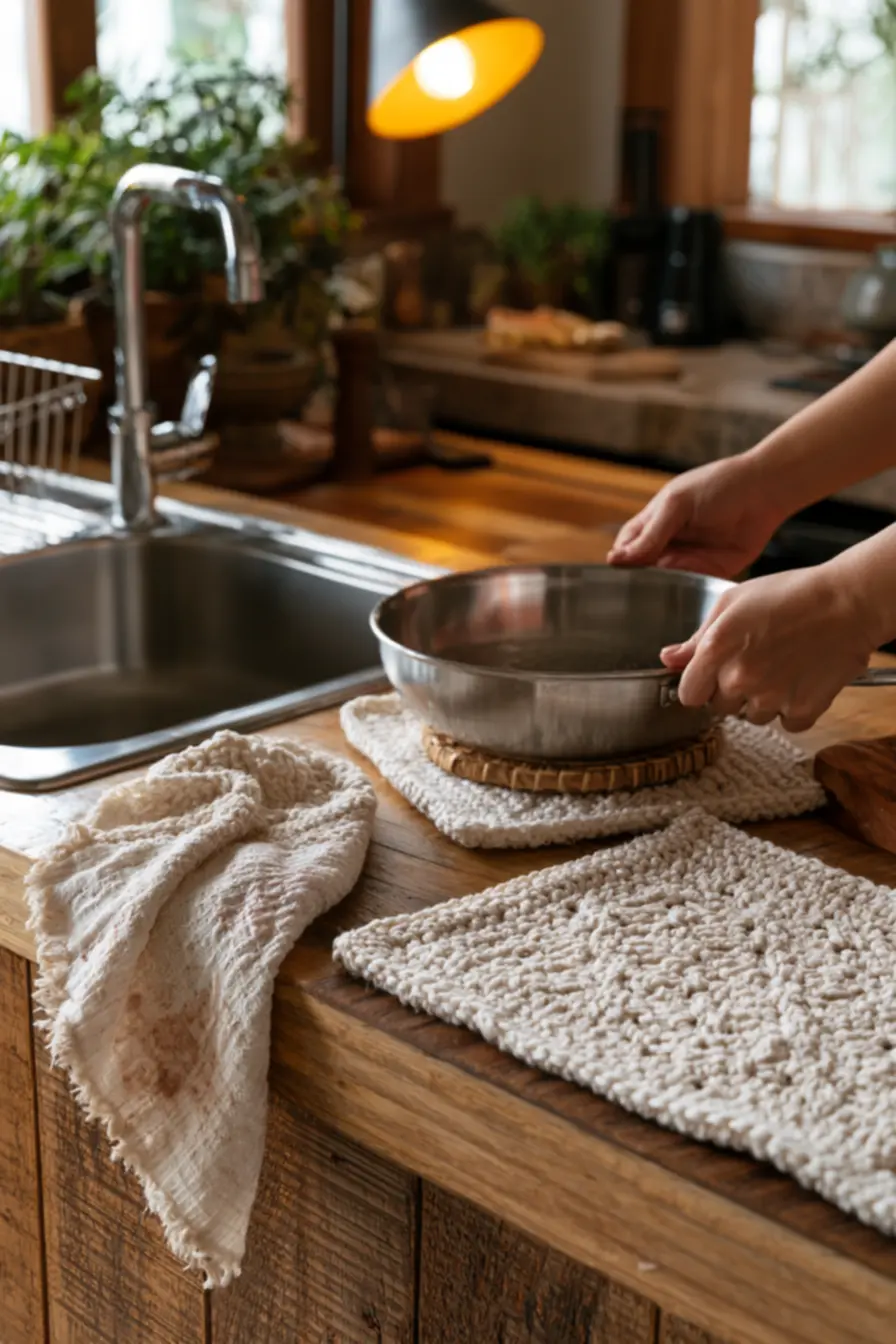
This approach ensures your crochet projects can move with you without causing damage or requiring intensive upkeep, ideal for flexible living situations. Learn more about designing cozy and calm interiors in our article on bear nursery decor and calming effects.
How to Maintain and Care for Crochet Home Decor Items
Care is often overlooked, with many assuming crochet behaves just like other fabric items. Here are key points to keep your decor in top shape:
- Washing: Use gentle, cold or cool water cycles for cotton or acrylic yarns. Avoid hot water, which can shrink or distort fibers.
- Blocking: After washing, lay items flat to dry, shaping them back to original dimensions to prevent warping and stretching.
- Storage: Store crochet decor in breathable containers, avoiding plastic bags that trap moisture and promote mildew.
- Repairs: Fix small holes or pulled stitches by darning or re-crocheting small patches. Modular designs such as granny squares facilitate easy replacement of damaged sections.
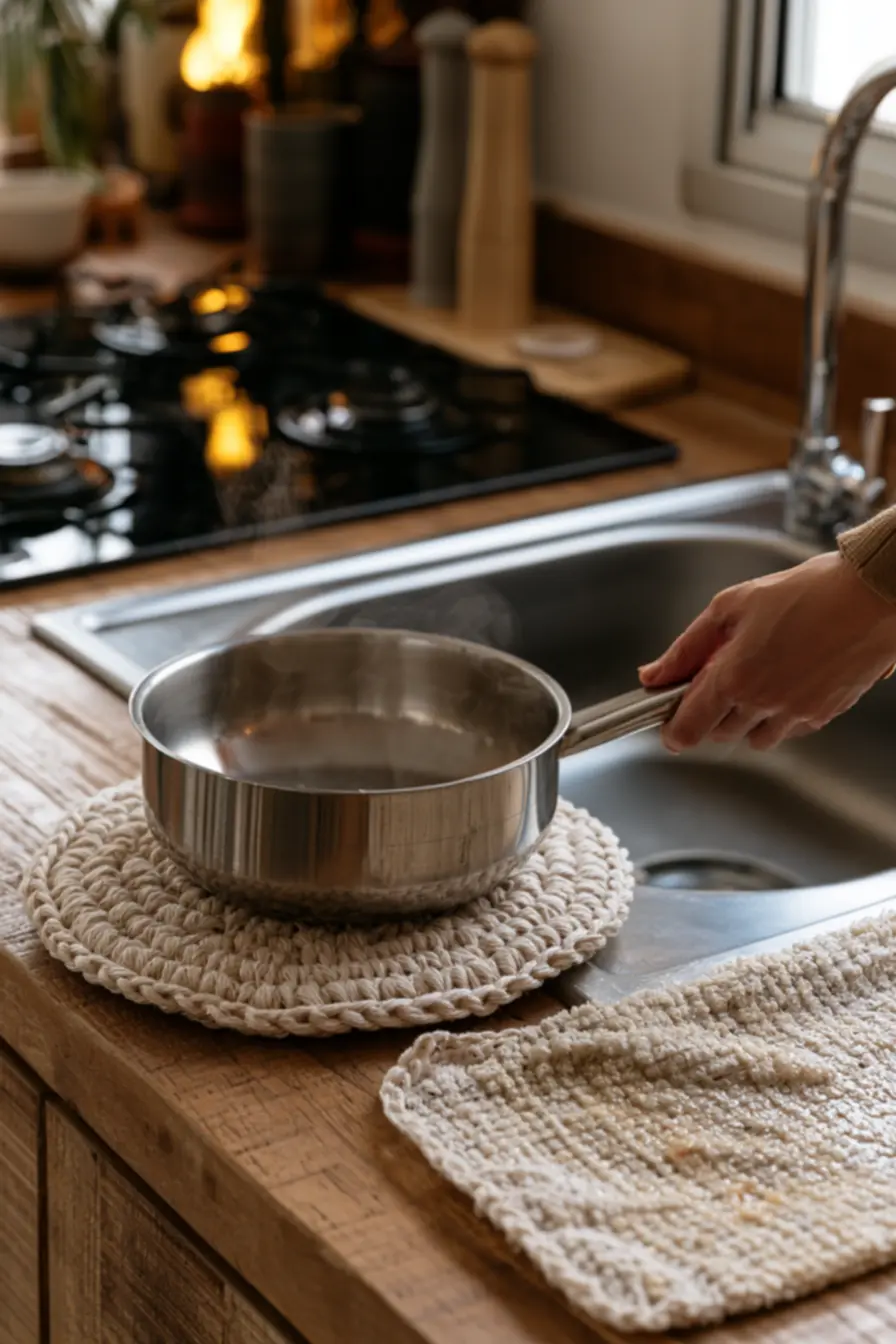
Neglecting proper maintenance can cause your stylish decor to become misshapen or stained quickly, which defeats the purpose of creating handmade beauty in your home.
How to Make Your Crochet Decor Look Professionally Styled
Even excellent patterns look amateurish if details are overlooked. Use these expert tips to elevate your finished pieces:
- Color Coordination: Stick to a limited palette that matches the room’s color scheme. For example, Scandinavian minimalist rooms favor whites, creams, and muted pastels.
- Consistent Scale: Avoid mixing very large crochet throws with tiny lace coasters. Keep the size proportional to surrounding furniture and decor.
- Finishing Touches: Weave in yarn ends securely and consider adding fabric backing to cushion covers or rugs for shape and longevity.
- Layering: Combine less textured furniture pieces with crochet accents. For instance, place a chunky crocheted cushion on a smooth leather chair for contrast.
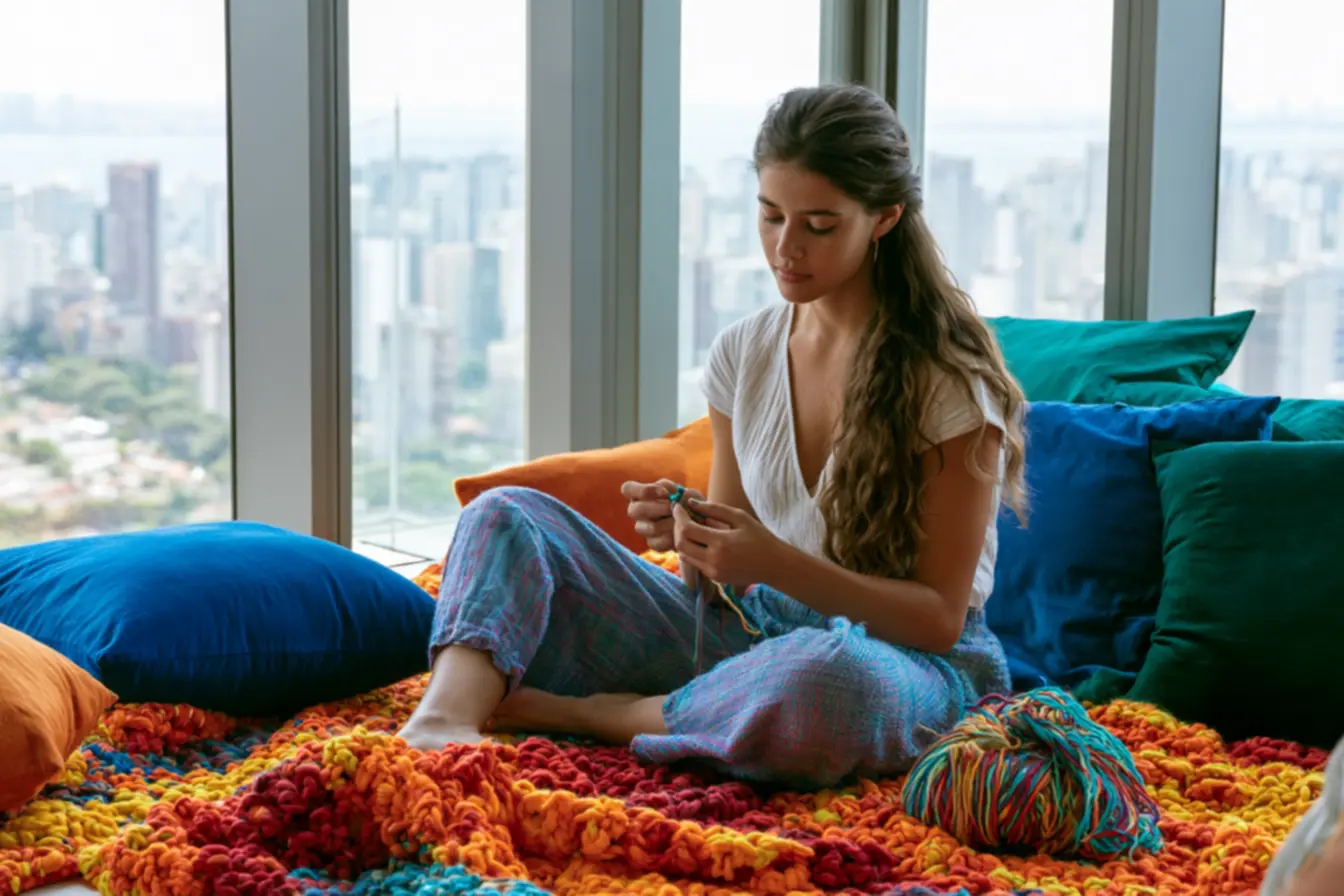
Comparing Crochet Patterns for Durability: Open Lace vs. Solid Stitch
| Pattern Type | Best Use | Durability | Maintenance | Visual Impact |
|---|---|---|---|---|
| Open Lace | Curtains, wall hangings | Low – can snag easily | Handwash or dry clean recommended | Delicate, airy |
| Solid Stitch (single/double crochet) | Pillows, throws, rugs | High – holds shape well | Machine washable (cotton/acrylic) | Clean, structured |
| Textured Pattern (basket weave, bobble stitch) | Throws, cushions | Medium to high – hides wear | Machine washable with gentle cycle | Rich texture, cozy feel |
Budget-Friendly Crochet Ideas That Do Not Look Cheap
Crochet for home decor does not need to be expensive. Some affordable yet effective ideas include:
- Using worsted weight cotton yarn: This is generally under five dollars per skein and widely available worldwide.
- Making Granny Square Throws: Smaller individual squares use less yarn and sew together quickly.
- Simple Coasters and Placemats: Use leftover yarn from other projects to create sets that brighten tabletops.
- Accent Cushion Covers: Crochet only the front panel and sew it onto plain, store-bought covers to save time and reduce costs.
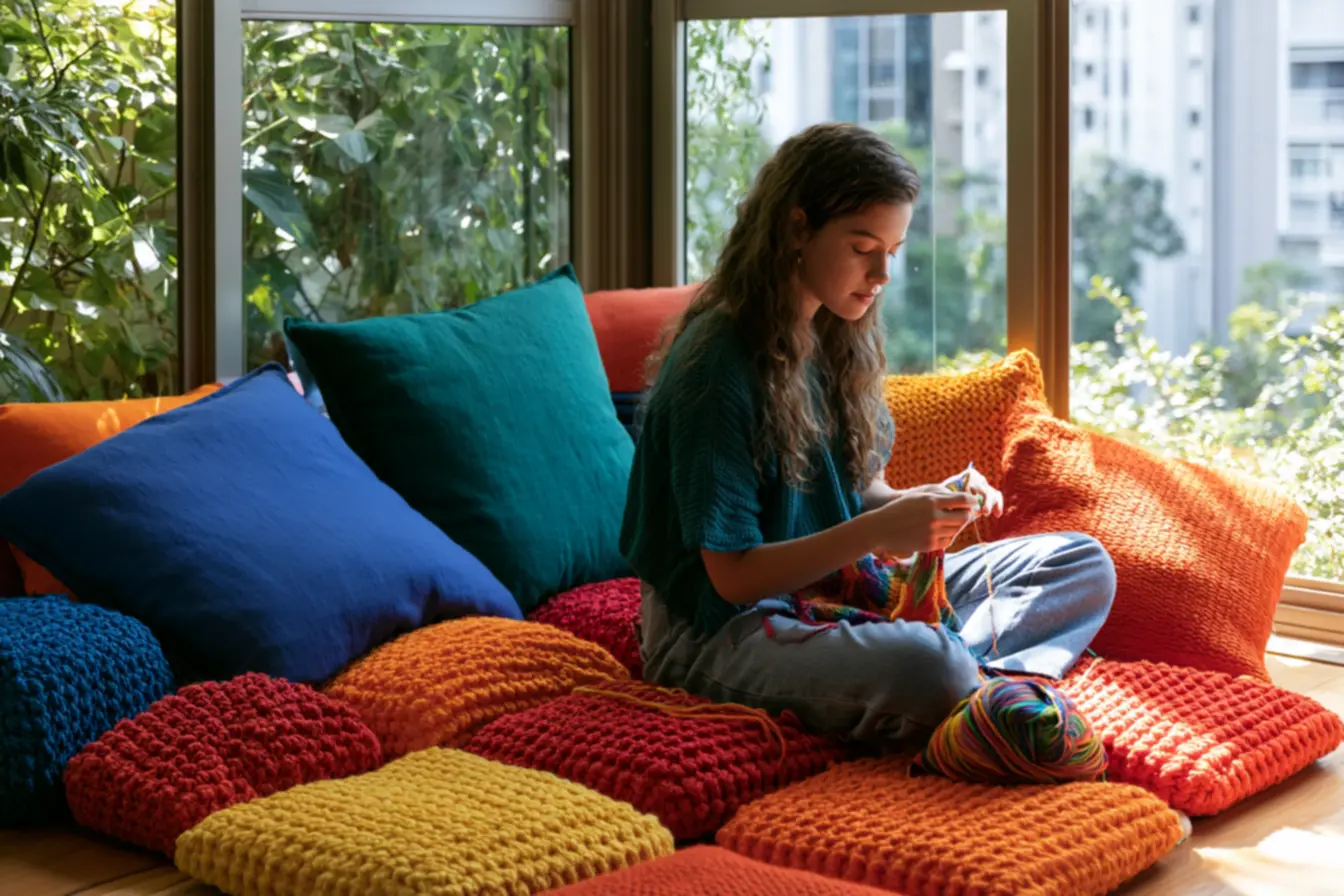
These options maximize visual impact without requiring large amounts of material or extensive time, making them ideal for beginners on a budget. For more ideas on maximizing space and style, explore our tips on decorating trailer homes efficiently.
The Detail That Makes the Difference in Crochet Home Decor
The key detail most beginners miss is matching the pattern style with the room’s function and existing furnishings. A lacy, romantic crochet piece may look stunning but can feel out of place in a sleek, industrial-style living room.
Consider also how the piece will age over time. High-traffic items like throws and rugs require patterns and yarns made to tolerate daily use; otherwise, your project may look worn out instead of stylish in a short period.
Start your crochet decor with these practical insights to avoid common beginner pitfalls, ensuring your finished piece fits your home, not just the pattern description.
Bringing It All Together
Choosing crochet patterns for home decor goes beyond selecting something pretty. It involves matching the pattern, yarn, scale, and room use realistically. Begin by measuring your space and selecting yarns suited to your item’s function. Durable cotton or cotton blends often deliver the best balance of appearance, feel, and maintenance ease.
Opt for patterns that hold shape, hide wear, and align visually with your interior style. Avoid fragile stitches for high-traffic pieces, and remember that correct scale is critical to making your crochet decor fit seamlessly rather than overwhelm a space.
With these practical details in mind, your crochet home decor can become functional, durable, and genuinely stylish. Ready to select your first pattern with confidence? For ongoing inspiration and guidance, check out our home and garden blog filled with real-world decorating ideas and projects.